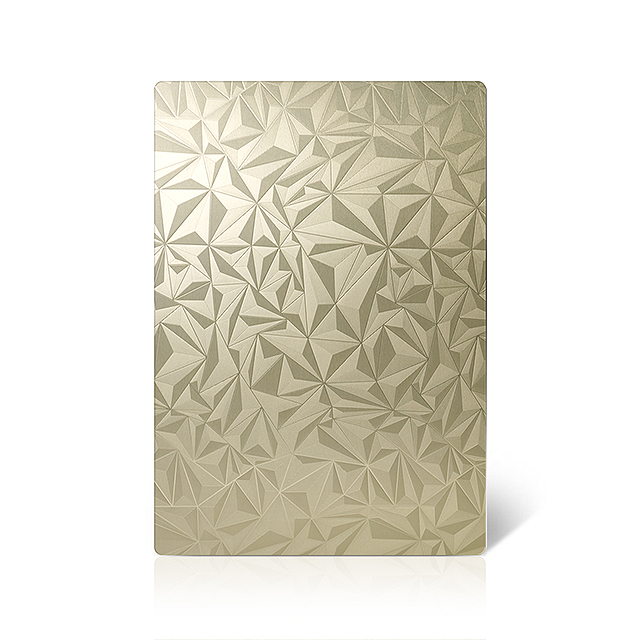
Specifying colored metal finishes for high-wear, high-UV, or corrosive environments presents a serious engineering challenge. Standard coatings often fail or degrade over time. Organic dyes and surface-level paints face severe limitations. They fade, chip, and peel when applied to aluminum components exposed to harsh architectural or industrial conditions. We need a better approach to surface finishing that integrates directly with the substrate.
Electrolytic coloring stands as the technical standard for achieving permanent, fade-proof color. This multi-step process deposits inorganic metal salts directly into the anodic pores of the metal. It fundamentally changes how the material interacts with light and environmental stressors. We will evaluate the mechanics, limitations, and specification criteria of this process. Understanding these factors helps you make informed design decisions for projects requiring maximum durability and zero maintenance over decades of field exposure.
Process Distinction: Electrolytic coloring is a multi-step process that deposits inorganic metal salts directly into the anodic pores, fundamentally differing from surface-level organic dyeing.
Maximum Durability: The resulting finish offers unparalleled UV resistance (lightfastness) and corrosion protection, making it mandatory for exterior architectural and heavy industrial applications.
Aesthetic Constraints: The color palette is strictly limited to inorganic tones (champagne, bronze, black) dictated by the specific metal salts used (e.g., tin, cobalt).
Specification Reality: Achieving batch-to-batch consistency requires precise control over surface preparation, alloy selection, bath chemistry, and electrical current, necessitating rigorous QA protocols.
The Mechanics of Electrolytic Coloring in Anodized Aluminum
Surface Preparation: The Prerequisite for Flawless Coloring
Raw extrusions arrive at the shop floor covered in cutting fluids, heavy oils, and natural, uneven oxides. We run these parts through heated alkaline soak cleaners to strip the organics. Next comes the caustic etch. We submerge the aluminum in a sodium hydroxide bath. This aggressive chemical action dissolves a microscopic layer of the surface metal. It hides minor extrusion die lines and creates a uniform, matte appearance.
Etching leaves behind insoluble alloying elements like magnesium, iron, or silicon on the surface. We call this residue smut. We drop the parts into an acidic desmutting tank to dissolve these impurities. If you rush the desmutting stage, the anodic pores will form unevenly during the next step. Uneven pores guarantee the metal salts will not deposit uniformly, resulting in a mottled, rejected batch.
The Two-Step Electrochemical Process
The core operation relies on a two-step electrochemical sequence. First, we build the oxide layer using Type II sulfuric acid anodizing. We rack the custom aluminum parts securely and submerge them in a chilled acid electrolyte bath. Direct current (DC) passes through the solution, making the aluminum the anode. Oxygen ions react with the metal substrate, growing a dense, honeycomb-like aluminum oxide structure. This layer features millions of microscopic, hexagonal pores per square inch.
Once we achieve the target coating thickness, we rinse the parts and transfer them to the coloring tank. This secondary bath contains acidic metal salts, typically tin sulfate or cobalt sulfate. Here, we apply alternating current (AC). The AC voltage drives the metal ions down into the microscopic pore structure. The alternating polarity pushes the ions through the barrier layer at the base of the pores. The metal precipitates out of the solution and deposits securely at the absolute bottom of the anodic pores.
Metal Salt Deposition vs. Organic Dyes
Understanding the physical location of the colorant reveals why electrolytic processes outperform traditional methods. Inorganic metal salts sit at the absolute base of the anodic pore. Organic dyes consist of much larger carbon-based molecules. When you dye anodized aluminum, these bulky molecules simply sit near the top of the pore opening. This physical difference provides a massive advantage in wear resistance.
Chemical stability further separates the two methods. Inorganic metal salts possess high elemental stability. They do not react to ultraviolet radiation. Organic dyes rely on complex carbon double bonds. UV light breaks these bonds apart. This photodegradation causes dyed parts to fade rapidly when exposed to sunlight. Metal salts remain completely unaffected by photon energy, ensuring the color remains permanent regardless of sun exposure.
The Role of the Sealing Process
The entire coloring process remains vulnerable until the final sealing step. The pores are still open. If left unsealed, the surface will absorb fingerprints, dirt, and atmospheric chemicals. Hydrothermal sealing closes the anodic pores completely. We submerge the part in near-boiling water, often containing nickel acetate additives. The heat and hydration convert the aluminum oxide into boehmite. The boehmite swells, physically plugging the top of the pore structure.
This sealing action locks the metal salts beneath a dense, protective layer of clear aluminum oxide. The colorant becomes permanently encapsulated within the metal itself. Improper sealing compromises the durability and corrosion resistance of the entire electrolytic coloring anodized aluminum process. Unsealed or poorly sealed pores trap moisture and eventually lead to coating failure or localized pitting.
Evaluating Finish Durability: Features-to-Outcomes
Unmatched UV and Fade Resistance (Lightfastness)
Engineers specify electrolytic coloring primarily for its extreme UV stability. The technical reason for this lightfastness lies in the inorganic nature of the colorant. Sunlight cannot break down the elemental tin or cobalt deposited at the base of the pores. We regularly see panels subjected to South Florida exposure testing that show zero perceptible color shift after ten years.
This chemical reality translates directly to field performance. The expected lifespan in exterior applications often exceeds 20 years. Architectural panels on skyscrapers maintain their exact bronze or black shade decades after installation. This zero-fade characteristic eliminates the need for future recoating or surface maintenance, outperforming high-performance architectural paints.
Corrosion and Wear Resistance in Harsh Environments
The wear resistance of the finished part comes from the anodic oxide layer itself, not the colorant. Aluminum oxide ranks exceptionally high on the Mohs hardness scale, approaching the hardness of a sapphire. Because the electrolytic coloring process deposits the pigment at the base of the pore, the finish maintains aesthetic integrity even as the surface micro-wears over time.
This structural integration provides superior performance in harsh environments. The finish excels in coastal areas subject to heavy salt spray. It withstands high-pollution urban environments where acidic rain degrades painted alternatives. Unlike paint, which sits on top of the metal and traps moisture if scratched, the anodic layer prevents under-film corrosion from spreading.
![Electrolytic coloring process for anodized aluminum finishes]()
High-Performance Applications for Electrolytic Colored Anodized Aluminum
Architectural and Structural Components
The construction industry relies heavily on this finishing process for exterior applications. Building facades, window frames, curtain walls, and roofing systems require materials that withstand decades of environmental abuse. Long-term exposure to wind, rain, and intense sunlight demands a permanent, maintenance-free finish.
Electrolytic coloring provides the necessary structural integrity for these components. The finish does not degrade, ensuring the building retains its intended aesthetic from day one. Architects frequently specify dark bronze or black anodized mullions for commercial skyscrapers. The process guarantees that replacement panels manufactured years later will match the original installation, provided strict quality controls remain in place.
Decorative Consumer Goods and Automotive Trim
The process bridges the gap between industrial durability and premium aesthetics. High-end consumer electronics, appliance trim, and automotive accents require a decorative yet scratch-resistant surface. Consumers interact with these products daily, subjecting them to abrasion from keys, rings, and general handling.
Electrolytic coloring delivers a metallic, premium look that paint cannot replicate. The finish highlights the natural metallic luster of the aluminum rather than masking it beneath a polymer layer. Automotive manufacturers use it for roof rails, window trim, and interior dashboard accents. It provides the necessary hardness to resist scratching while delivering the sophisticated champagne or black tones expected in luxury vehicles.
Design and Aesthetic Limitations (Conceptual Trade-Offs)
The Restricted Color Spectrum
Designers must understand the primary limitation of this process: electrolytic coloring cannot produce bright reds, blues, or yellows. The physics of the process restrict the color palette to the natural tones of the deposited metal salts. You cannot mix custom Pantone colors using this method.
We map the available colors directly to their respective metal salts. Tin and cobalt represent the most common electrolytes used in the industry. These specific salts yield a distinct range of earth tones. The spectrum includes light champagne, varying shades of light to dark bronze, and deep black. The depth of the color depends entirely on the amount of metal deposited in the pore, which operators control by adjusting the immersion time and electrical voltage.
Batch-to-Batch Color Consistency Challenges
Achieving identical colors across multiple production runs presents a significant manufacturing challenge. Several variables affect color matching during the electrochemical process. Immersion time dictates how much metal deposits into the pores. Voltage fluctuations alter the deposition rate. Bath temperature impacts the conductivity of the electrolyte solution. Even the geometry of the part and how we rack it affects the local current density.
Engineers must set realistic expectations for designers regarding acceptable color variation ranges. The industry measures these variations using Delta E tolerances. A Delta E of 1.0 represents a color difference barely perceptible to the human eye. Across large production runs, maintaining a tight Delta E requires exceptional process control. Manufacturers use limit panels to establish the lightest and darkest acceptable shades for a specific project before full production begins.
Electrolytic Coloring vs. Alternative Aluminum Finishes
Electrolytic Coloring vs. Organic Dyeing
Choosing between electrolytic coloring and organic dyeing requires evaluating both upfront and lifecycle variables. Organic dyeing is generally cheaper and faster. The dye bath requires no electrical current, simplifying the equipment needs. Dyeing also offers an unlimited color spectrum, including vibrant primary colors.
However, the lifecycle outcomes differ drastically. Organic dyeing requires replacement or re-coating in UV-exposed environments due to rapid fading. Electrolytic coloring presents a higher initial setup cost but delivers a permanent finish. Use organic dyes for indoor applications like interior signage or decorative items not exposed to sunlight. Specify electrolytic coloring for any outdoor application or high-wear environment.
Electrolytic Coloring vs. Powder Coating
Powder coating provides another alternative for coloring aluminum, but it behaves fundamentally differently. Evaluate dimensional tolerances first. Anodizing integrates directly with the metal substrate. It converts the existing aluminum into aluminum oxide, resulting in minimal dimensional change. It typically adds only half a mil of thickness. Powder coating adds a measurable surface layer, often 2 to 4 mils thick, which interferes with tight-tolerance mating parts and threaded holes.
Compare the failure modes of both finishes. Powder coating acts as a physical barrier sitting on top of the metal. If breached, it can blister, chip, or flake away from the substrate. Electrolytic colored anodized aluminum cannot peel. The color resides inside the metal structure itself. If you scratch the surface, you scratch the metal, but the finish will never delaminate.
| Feature | Electrolytic Coloring | Organic Dyeing | Powder Coating |
| UV Resistance | Excellent (No fading) | Poor (Fades rapidly) | Good to Excellent (Depending on resin) |
| Color Range | Limited (Champagne, Bronze, Black) | Unlimited (Bright colors available) | Unlimited (Custom matching available) |
| Dimensional Impact | Minimal (< 1 mil) | Minimal (< 1 mil) | Significant (2 - 4 mils) |
| Failure Mode | Micro-wear (Cannot peel) | Fading, Micro-wear | Chipping, Blistering, Flaking |
| Best Application | Exterior architectural, high-wear | Indoor decorative, low-UV exposure | General exterior, non-precision parts |
Specifying the Process: Implementation Risks and Mitigation
Alloy Selection and Its Impact on the Final Finish
The base aluminum alloy heavily influences the final appearance and quality of the finish. Different aluminum series react uniquely to the anodizing and coloring process. The 5000 series (alloyed with magnesium) and the 6000 series (alloyed with magnesium and silicon) represent the ideal choices. They produce clear, uniform oxide layers that accept metal salts predictably. We highly recommend specifying 5005 AQ (Anodizing Quality) for sheet metal applications.
Engineers must avoid using mixed alloys on the same visible assembly. Even if colored in the exact same bath, a 5005 sheet and a 6063 extrusion will yield slightly different shades of bronze. Avoid high-silicon or high-copper alloys entirely for this process. The 2000 series (high copper) and certain 4000 series (high silicon) result in severe smutting, poor pore formation, and off-color, muddy finishes that fail aesthetic requirements.
Quality Control Metrics and Testing Standards
Verifying the quality of the finish requires strict adherence to industry-standard evaluation lenses. For military and aerospace applications, MIL-A-8625 Type II dictates the anodizing parameters. For architectural applications, AAMA 611 serves as the definitive standard for Class I and Class II anodic coatings.
Implement critical QA tests to ensure long-term performance. Coating thickness verification using eddy current testing ensures the oxide layer meets the specified depth. Exterior architectural parts typically require 0.4 to 0.7 mils. Seal integrity testing remains non-negotiable. Use the modified dye stain test or acid dissolution tests to confirm the pores are completely locked. Finally, utilize accelerated weathering tests and salt spray chambers to validate the corrosion resistance before approving large production batches.
Conclusion
Electrolytic coloring remains the definitive choice for finishing aluminum when long-term aesthetic durability, UV resistance, and structural integration outweigh the need for vibrant, custom colors. The process physically embeds inorganic metal salts into the protective oxide layer, creating a finish that cannot peel, chip, or fade under intense sunlight. Engineers should specify this process for exterior architectural components, marine hardware, and high-wear consumer goods where earth tones or black are acceptable.
Consult with a certified anodizing partner during the initial design phase to confirm part geometry allows for uniform electrical current distribution.
Align your alloy selection strictly with 5000 or 6000 series aluminum to guarantee clear pore formation and consistent metal salt deposition.
Establish acceptable color range samples through physical limit panels before authorizing full-scale production.
Define specific QA testing requirements, including eddy current thickness checks and seal integrity tests, based on the environmental exposure of the final product.
FAQ
Q: What is the difference between standard anodizing and electrolytic coloring?
A: Standard anodizing creates the protective, porous aluminum oxide layer on the surface of the metal using direct current. Electrolytic coloring is a secondary step. It uses alternating current to deposit inorganic metal salts into those newly formed pores, providing permanent, fade-resistant color before the final sealing process.
Q: Can you get electrolytic colored anodized aluminum in bright colors?
A: No. The process is strictly limited to the natural colors of the deposited metal salts. This typically results in champagne, light bronze, dark bronze, and black tones. Achieving bright reds, blues, or yellows requires the use of organic dyes, which do not offer the same UV resistance.
Q: How long does electrolytic coloring last on aluminum?
A: Because the colorant is inorganic and permanently sealed within the hard aluminum oxide layer, it is highly resistant to UV light and physical wear. In outdoor architectural environments, the finish can easily last decades without any perceptible fading or color shift.
Q: Does electrolytic coloring affect the dimensional tolerances of the part?
A: The coloring step itself does not add any thickness. The overall anodizing process alters dimensions by only a fraction of a mil (typically 0.2 to 0.7 mils total build-up). This makes it vastly superior to paint or powder coating for parts requiring tight dimensional tolerances.
Q: What metal salts are most commonly used in electrolytic coloring?
A: Tin sulfate and cobalt sulfate are the most widely used metal salts in the commercial anodizing industry. Tin is frequently used to achieve a wide spectrum of bronze tones, while cobalt is highly effective for producing deep, uniform black finishes.
Q: How do you test the durability of colored anodized aluminum?
A: Durability is verified through strict quality control metrics. Technicians use eddy current devices for coating thickness measurements. They perform seal integrity tests, like the modified dye stain test, to ensure pores are closed. Accelerated salt spray or UV exposure testing validates performance according to standards like AAMA 611.