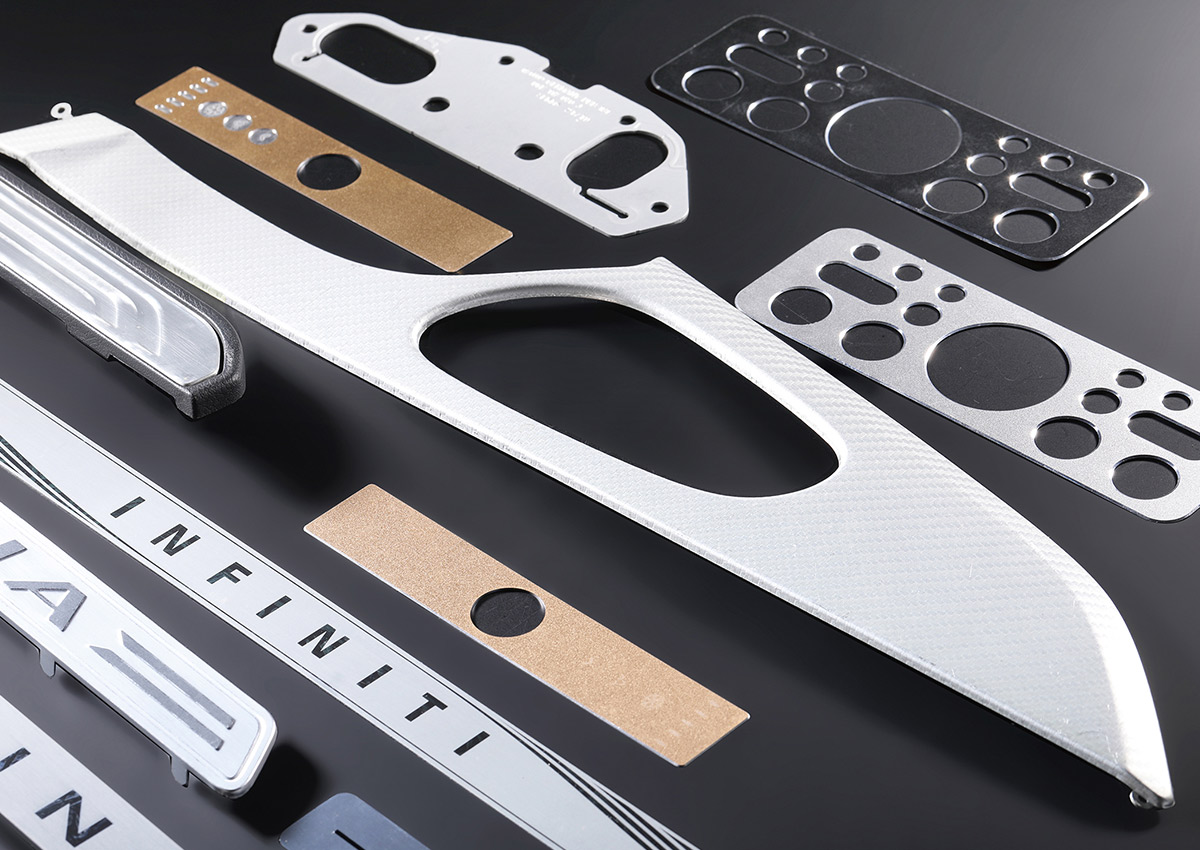
Is anodized aluminum truly safe for your cookware and everyday use? Many wonder about its safety and benefits. Anodized aluminum is aluminum treated to create a durable, protective surface. Safety is crucial since it’s widely used in kitchens and industries. In this post, you’ll learn what anodized aluminum is, why safety matters, and where it’s commonly used.
Understanding the Anodizing Process for Aluminum

What is Anodizing and How Does It Work?
Anodizing is an electrochemical process that thickens aluminum's natural oxide layer. Aluminum acts as the anode in an electrolytic bath, typically sulfuric acid. When an electric current passes through, oxygen ions bond with aluminum atoms, creating a hard, protective oxide coating. This layer is much thicker and more durable than the naturally occurring oxide film on raw aluminum.The process transforms the aluminum surface into a corrosion-resistant, non-reactive, and wear-resistant finish. This makesanodized aluminum ideal for applications requiring durability and safety, especially in food contact and high-performance industries.
Stages of the Anodizing Process
Pre-treatment: Aluminum is cleaned thoroughly to remove dirt, grease, or other contaminants. This step ensures a uniform anodized layer.
Anodizing: The clean aluminum is immersed in an acid electrolyte bath. An electric current causes oxidation, thickening the oxide layer on the surface.
Rinsing: After anodizing, the aluminum is rinsed to remove residual acid and impurities.
Sealing: The anodized surface is porous. Sealing involves immersing the aluminum in hot water or a sealing solution, hydrating and closing the pores. This step enhances durability, corrosion resistance, and prevents substances from penetrating the surface.
Optional Dyeing: Before sealing, the porous layer can absorb dyes to add color. The sealing locks in the dye, ensuring color durability.
Types of Anodizing: Chromic Acid, Sulfuric Acid, and Hard Anodizing
| Type | Name | Thickness | Common Uses | Food Safe? |
| I | Chromic Acid Anodizing | Thin | Aerospace, some medical equipment | Rarely |
| II | Sulfuric Acid Anodizing | Medium | Consumer cookware | Yes |
| III | Hard Anodizing | Thickest | Commercial cookware, industrial | Yes |
Chromic Acid Anodizing (Type I): Produces a thin, flexible oxide layer. Used mainly in aerospace and military, rarely in cookware due to its thinness.
Sulfuric Acid Anodizing (Type II): The most common type. Provides a medium-thickness oxide layer that balances durability, corrosion resistance, and cost. Widely used for consumer-grade cookware.
Hard Anodizing (Type III): Creates the thickest, hardest layer. Ideal for commercial cookware and industrial equipment requiring extreme wear resistance.
How Anodizing Enhances Aluminum Safety and Durability
Anodizing improves aluminum by:
Creating a non-reactive surface: The thick oxide layer prevents aluminum from reacting with acidic or alkaline foods, reducing risks of metal leaching.
Increasing corrosion resistance: The anodized layer shields the metal from moisture and chemicals, extending product lifespan.
Enhancing wear resistance: The hard surface resists scratches, chipping, and everyday wear, keeping cookware and equipment safe and functional longer.
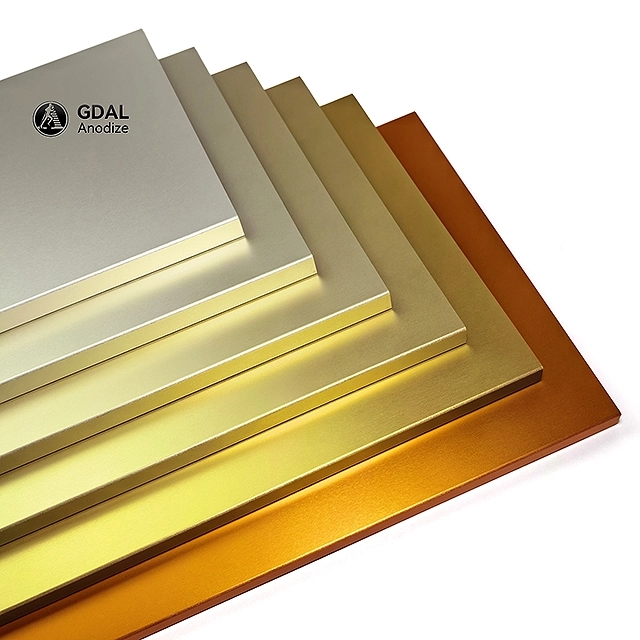
Allowing color customization: Anodizing can incorporate food-safe dyes, used mainly for identification or branding in commercial kitchens without compromising safety.
Facilitating easier cleaning: The sealed anodized surface resists staining and supports hygienic maintenance.
These benefits make anodized aluminum a trusted material for cookware, food processing, aerospace, and other industries demanding safety and durability.
Note: Proper sealing during anodizing is crucial to ensure the protective layer's effectiveness and prevent aluminum leaching, especially for food contact applications.
Is Anodized Aluminum Safe for Food Contact and Cookware?
Food Safety Standards and Certifications for Anodized Aluminum
Anodized aluminum used in cookware and food contact products must meet strict safety standards. Agencies like the FDA (Food and Drug Administration) and NSF International set guidelines ensuring materials don’t leach harmful substances into food. Properly anodized aluminum complies with these rules, making it safe for everyday cooking.Manufacturers often obtain certifications such as NSF/ANSI 51, which confirms the product is suitable for food contact surfaces. These certifications verify that the anodizing process was done correctly, including proper sealing to prevent exposure to raw aluminum. When shopping for anodized cookware, look for these certifications to ensure safety.
How Anodized Aluminum Prevents Toxicity and Aluminum Leaching
One main concern about aluminum cookware is the risk of aluminum leaching into food, especially acidic dishes like tomato sauce. Anodizing addresses this problem by creating a thick, stable oxide layer on the aluminum surface. This layer is non-reactive and acts as a barrier, stopping aluminum atoms from mixing with food.Because anodized aluminum is sealed and non-porous, it prevents direct contact between food and the raw metal underneath. This greatly reduces the chance of aluminum entering your meals. Studies and regulatory bodies generally agree that properly anodized aluminum does not pose a toxicity risk when used as intended.
Colored Anodized Aluminum in Cookware: Safety and Performance
Colors in anodized aluminum cookware come from dyes absorbed into the porous oxide layer before sealing. When done correctly, these dyes are food-safe and FDA-approved. The sealing step locks in the color and prevents dye leaching during cooking.Colored anodized cookware offers the same safety benefits as uncolored types. Popular colors like black, gray, and bronze are common because they resist heat well and maintain appearance over time. Color-coding can also help commercial kitchens reduce cross-contamination risks by designating specific cookware for certain food types.However, low-quality colored anodized products may suffer from poor sealing, leading to fading or chipping. This can expose raw aluminum and compromise safety. Always choose reputable brands that ensure proper sealing and use food-grade dyes.
Dishwasher Safety and Maintenance Tips for Anodized Cookware
Dishwasher use depends on the anodized cookware type. Hard-anodized aluminum is generally dishwasher safe, but many manufacturers still recommend hand washing to prolong the finish. Standard anodized or colored anodized cookware often isn’t dishwasher safe because detergents and high heat can degrade the surface or fade colors.To maintain your anodized cookware:
Use mild dish soap and a soft sponge for cleaning.
Avoid abrasive scrubbers or harsh chemicals that can scratch the anodized layer.
Dry cookware thoroughly to prevent water spots or corrosion.
For colored anodized items, avoid dishwasher use unless explicitly allowed.
Inspect regularly for scratches or wear that might expose raw aluminum.
Following these tips helps keep your cookware safe, durable, and looking great for years.
Tip: Always verify anodized cookware has FDA or NSF certification and follow manufacturer care instructions to ensure food safety and long-lasting performance.
Benefits of Using Anodized Aluminum in Various Industries

Corrosion Resistance and Durability
Anodized aluminum stands out for its excellent corrosion resistance. The anodizing process forms a thick oxide layer on the surface, acting as a strong shield against moisture, chemicals, and environmental elements. This protective barrier prevents rust and degradation, extending the life of aluminum products significantly. Industries like food processing, aerospace, and construction rely on this durability to maintain safety and performance over time. The hardness of the anodized layer also helps resist scratches, dents, and everyday wear, keeping surfaces intact and functional longer.
Lightweight and Heat Conductivity Advantages
One of aluminum’s natural benefits is its lightweight nature, and anodizing preserves this quality. This makes anodized aluminum ideal for applications where weight matters, such as aerospace, automotive, and portable cookware. Despite being light, anodized aluminum offers excellent heat conductivity, allowing for efficient heat distribution. This property is especially valuable in cookware and heat exchangers, ensuring even cooking or temperature control. The combination of lightness and thermal efficiency makes anodized aluminum a practical choice where performance and ease of handling are key.
Non-Reactive Surface for Acidic and Alkaline Foods
The anodized layer creates a chemically stable, non-reactive surface. This means it won’t react with acidic or alkaline substances, which is crucial in food-related industries. When used in cookware or food processing equipment, anodized aluminum prevents metal ions from leaching into food, preserving taste and safety. It also resists staining and corrosion caused by acidic ingredients like tomatoes or citrus. This non-reactive nature supports compliance with food safety standards and reduces health concerns related to aluminum exposure.
Aesthetic Versatility and Color Options
Anodizing allows aluminum to be dyed in various colors, enhancing aesthetic appeal without compromising safety or durability. This feature is useful in industries like consumer goods, architecture, and commercial kitchens, where color coding or branding matters. The porous anodized layer absorbs dyes before sealing, locking in vibrant, long-lasting colors such as black, bronze, or gray. This versatility supports product differentiation, workflow efficiency, and visual appeal. Additionally, anodized finishes maintain their color and texture over time, resisting fading or peeling under normal use.
Environmental and Sustainability Benefits
Anodized aluminum aligns well with sustainability goals. The anodizing process produces no hazardous waste or volatile organic compounds, making it environmentally friendly. Aluminum itself is highly recyclable, and anodizing doesn’t interfere with recycling processes. This means products can be reused or repurposed without significant environmental impact. Many industries choose anodized aluminum to reduce their carbon footprint and support circular economy practices. Its long lifespan also means fewer replacements, lowering resource consumption and waste.
Tip: Choose anodized aluminum products with proper sealing and certification to maximize durability, safety, and environmental benefits in your industry applications.
Comparing Anodized Aluminum to Other Cookware and Material Options
Hard-Anodized Aluminum vs Stainless Steel
Hard-anodized aluminum and stainless steel both serve well in cookware and kitchen equipment. Stainless steel is known for durability, corrosion resistance, and a classic look. However, it is heavier and has moderate heat conductivity. Hard-anodized aluminum, on the other hand, offers excellent heat conductivity, meaning it heats up quickly and evenly. It’s much lighter, making it easier to handle, especially in busy kitchens.Both materials are non-reactive and safe for food contact, but anodized aluminum has the edge in weight and thermal performance. Stainless steel resists scratches better and is often dishwasher safe, yet anodized aluminum requires gentler care to maintain its finish. In summary, if you want lightweight, fast heating cookware, anodized aluminum is a smart choice. For heavier use and ease of cleaning, stainless steel may be preferred.
Hard-Anodized Aluminum vs Cast Iron
Cast iron is famous for its heat retention and durability. It holds heat longer, which is great for slow cooking and searing. However, cast iron is very heavy and needs seasoning to maintain a non-stick surface and avoid rust. It also reacts with acidic foods unless well seasoned.Hard-anodized aluminum is much lighter and naturally corrosion resistant. It doesn’t require seasoning and won’t rust. Its anodized surface is non-reactive, making it safe for all food types, including acidic dishes. While it doesn’t retain heat as long as cast iron, it heats more evenly and responds faster to temperature changes. For those seeking easier maintenance and lighter cookware, hard-anodized aluminum is a practical alternative.
Hard-Anodized Aluminum vs Non-Stick Coatings
Non-stick coatings are popular for easy food release and quick cleanup. However, many non-stick coatings degrade over time, especially if scratched or overheated. This can lead to flaking and potential health concerns.Hard-anodized aluminum naturally has a hard, durable surface that resists scratching and corrosion. It is non-reactive and food-safe without needing an additional coating. While it may not be as slick as traditional non-stick pans, it often requires less oil than raw aluminum cookware. Some hard-anodized cookware comes with a non-stick layer on top, combining durability and convenience.Choosing between these depends on your cooking style. For long-lasting durability and safety, hard-anodized aluminum is excellent. If you prioritize effortless food release and cleaning, non-stick coatings might suit you better, but be mindful of their lifespan.
Choosing the Best Material Based on Usage and Safety
When selecting cookware material, consider these factors:
Cooking habits: Do you cook acidic foods often? Anodized aluminum and stainless steel are non-reactive, while cast iron may react unless seasoned.
Weight and handling: For lightweight cookware, anodized aluminum wins. Cast iron is heavy, stainless steel medium-heavy.
Heat performance: Anodized aluminum heats fast and evenly; cast iron retains heat longer; stainless steel heats moderately.
Maintenance: Stainless steel and cast iron require less delicate care than anodized aluminum, which can scratch if handled roughly.
Safety: Properly anodized aluminum is food safe and non-toxic. Non-stick coatings need monitoring for wear to avoid health risks.
Choosing the right material depends on your kitchen needs, budget, and priorities. Hard-anodized aluminum offers a balanced mix of safety, performance, and ease of use, making it a popular choice for many cooks.
Tip: When selecting cookware, match the material's strengths to your cooking style and maintenance preferences for the best long-term safety and performance.
Potential Downsides and Limitations of Anodized Aluminum
Cost Considerations Compared to Untreated Aluminum
Anodized aluminum usually costs more than untreated aluminum. The anodizing process requires extra steps, chemicals, and quality control, which add to the price. For businesses or consumers on a tight budget, this can be a deciding factor. However, the higher upfront cost often pays off because anodized aluminum lasts longer and resists damage better than raw aluminum.
Heat Absorption and Cooking Performance
Anodized aluminum absorbs heat very quickly, which can be a benefit or a drawback depending on the cooking method. It heats evenly but may not retain heat as long as materials like cast iron. This means food might cook faster, but the cookware cools down quickly when removed from heat. For some recipes requiring steady, prolonged heat, this could affect results. Also, anodized aluminum is not naturally non-stick, so some oil or coating might be needed.
Compatibility with Induction Cooktops
One limitation of anodized aluminum cookware is that it generally does not work on induction cooktops. Induction cooking requires magnetic materials, and aluminum is not magnetic. This restricts the versatility of anodized aluminum cookware in kitchens that rely on induction technology. Some manufacturers add magnetic layers to the base to solve this, but pure anodized aluminum alone won’t work.
Care and Maintenance to Avoid Surface Damage
Anodized aluminum demands careful handling to maintain its protective layer. Using metal utensils, abrasive scrubbers, or harsh cleaning chemicals can scratch or wear down the anodized surface. Once damaged, the exposed aluminum underneath may react with acidic foods or moisture, leading to corrosion or leaching. It’s best to use wooden, silicone, or plastic utensils and mild cleaning methods.
Risks of Scratches, Peeling, and Aluminum Leaching
Although anodized aluminum is hard and durable, it’s not immune to scratches or peeling if abused. Scratches can expose raw aluminum, which may leach into food, especially acidic dishes. Peeling is rare but can occur if the anodized layer is poorly applied or damaged. Regular inspection of cookware or equipment is essential to identify wear early and prevent potential safety risks.
Tip: Always follow manufacturer care instructions and avoid metal utensils or abrasive cleaners to preserve anodized aluminum's protective layer and maintain food safety.
How to Identify and Ensure Your Anodized Aluminum is Food Safe

Recognizing Proper Anodizing and Surface Finish
To confirm anodized aluminum is food safe, start by examining its surface. Properly anodized aluminum has a smooth, uniform finish, often matte or slightly glossy, usually dark gray, black, or bronze in color. This finish results from a thick, sealed oxide layer that protects the metal underneath.Look out for any irregularities like scratches, peeling, dents, or pitting. Such defects may expose raw aluminum, which can react with acidic foods and potentially leach into them. A consistent, intact surface indicates the anodizing process was done correctly and the piece is likely safe for food contact.Additionally, the finish should feel hard and durable, resisting easy scratching. If the surface feels soft or powdery, it might be inadequately anodized or poorly sealed, raising safety concerns.
Importance of Manufacturer Certifications (NSF, FDA)
Always check for certifications from recognized bodies like NSF International or the U.S. Food and Drug Administration (FDA). These organizations set strict standards for materials used in food contact applications.Certified anodized aluminum equipment or cookware has undergone rigorous testing to ensure no harmful substances leach into food. NSF/ANSI 51 certification, for example, confirms compliance with food safety and sanitation requirements.Reputable manufacturers will proudly display these certifications on packaging or product descriptions. When buying anodized aluminum cookware or commercial kitchen equipment, prioritize products with such certifications to guarantee safety and regulatory compliance.
Inspecting for Surface Damage or Wear
Regularly inspect anodized aluminum cookware or equipment, especially if used frequently. Look for:
Scratches or abrasions that penetrate the anodized layer
Peeling or flaking of the surface finish
Discoloration or uneven patches
Dents or pitting that might compromise the protective barrier
Any of these signs suggest the anodized layer is compromised and the item should be repaired, refinished, or replaced. Continued use of damaged anodized aluminum can increase the risk of aluminum exposure in food.In commercial kitchens, establish routine checks to maintain safety standards and avoid cross-contamination risks linked to deteriorated equipment.
Consulting Manufacturers for Safety and Compliance Information
If you have doubts about the safety of your anodized aluminum products, contact the manufacturer directly. Request:
Detailed information about the anodizing process used
Certificates of compliance for food safety standards
Technical specifications on sealing and surface treatment
Recommendations for care, maintenance, and lifespan
Manufacturers with transparent quality control practices will gladly provide this information. It helps ensure your anodized aluminum meets all safety requirements and is suitable for your intended food-contact use.For custom or bulk orders, ask about batch testing and quality assurance procedures to guarantee consistent safety across all units.
Tip: Always verify your anodized aluminum products carry NSF or FDA certification and show no surface damage to ensure safe, long-lasting food contact use.

Use in Aerospace, Defense, and Space Industries
Anodized aluminum plays a vital role in aerospace, defense, and space sectors. Its lightweight yet durable nature makes it perfect for aircraft panels, frames, and landing gear components. The anodized layer protects parts from corrosion caused by moisture, chemicals, and extreme weather conditions at high altitudes. This protection extends the life of components and reduces maintenance costs.In defense, anodized aluminum is used for military vehicles, communication devices, and weaponry. Its tough surface withstands harsh environments and rough handling while keeping equipment lighter and easier to maneuver. The anodized coating also helps resist abrasion and wear during missions.Space applications demand materials that endure radiation, temperature swings, and vacuum conditions. Anodized aluminum meets these needs by providing a stable, corrosion-resistant surface on satellites and spacecraft parts. The anodized finish also offers electrical insulation, which can be critical in space electronics.
Maintenance Practices for Longevity and Safety
To keep anodized aluminum performing well, regular maintenance is essential. Cleaning should be done using mild detergents and soft cloths or sponges to avoid scratching the surface. Abrasive cleaners or harsh chemicals can damage the anodized layer, exposing raw aluminum underneath.Routine inspections help catch early signs of wear such as scratches, dents, or discoloration. Any damage to the anodized coating can reduce corrosion resistance and increase the risk of metal leaching or failure. Damaged parts should be repaired or replaced promptly to maintain safety and performance.Applying protective waxes or coatings can add an extra barrier against contaminants and moisture. However, these should be compatible with anodized surfaces and recommended by manufacturers.
Choosing the Right Anodizing Type for Specific Needs
Different anodizing types suit different industry needs:
Type I (Chromic Acid Anodizing): Thin, flexible coating used mainly in aerospace for parts requiring fatigue resistance.
Type II (Sulfuric Acid Anodizing): Medium-thickness layer common in consumer and architectural applications, offering good corrosion resistance.
Type III (Hard Anodizing): Thick, hard coating ideal for heavy-duty aerospace, defense, and industrial parts needing maximum wear resistance.
Selecting the proper anodizing type depends on environmental exposure, mechanical stress, and required durability. Consulting with anodizing experts ensures the coating fits the intended use and safety standards.
Professional Services for Inspection and Upkeep
High-performance industries benefit from professional inspection and maintenance services. Experts can perform detailed surface analysis, corrosion testing, and wear assessments to ensure anodized aluminum parts remain reliable.Periodic professional upkeep may include re-sealing or refinishing the anodized surface to restore protection. This prolongs the lifespan of components and maintains compliance with safety regulations.Partnering with experienced anodizing and maintenance providers helps avoid unexpected failures and costly downtime in critical applications.
Tip: Regularly schedule professional inspections and gentle cleaning to preserve anodized aluminum's protective layer and ensure long-term safety in high-performance environments.
Conclusion
Anodized aluminum offers a durable, corrosion-resistant, and non-reactive surface ideal for safe food contact and cookware use. Its enhanced wear resistance and color options add practical and aesthetic value. However, proper sealing and careful maintenance are crucial to avoid surface damage and aluminum leaching. Consumers and businesses should choose certified anodized aluminum products and follow care guidelines for long-lasting performance. Guangdong Anlv New Material Co., Ltd. provides high-quality anodized aluminum solutions that ensure safety, durability, and excellent value for diverse industry needs.
FAQ
Q: What is anodized aluminum and how is it made?
A: Anodized aluminum is aluminum treated through an electrochemical process that thickens its natural oxide layer, creating a durable, corrosion-resistant surface.
Q: Why is anodized aluminum considered safe for cookware?
A: Properly anodized aluminum has a sealed, non-reactive surface that prevents aluminum leaching, making it safe for food contact.
Q: How does anodized aluminum compare to stainless steel in cookware?
A: Anodized aluminum is lighter and heats faster, while stainless steel offers better scratch resistance and easier cleaning.
Q: What maintenance does anodized aluminum require?
A: Use mild soap, avoid abrasive tools, and hand wash to preserve the anodized layer and prevent damage.
Q: Is anodized aluminum dishwasher safe?
A: Hard-anodized aluminum may be dishwasher safe, but hand washing is generally recommended to maintain the finish.