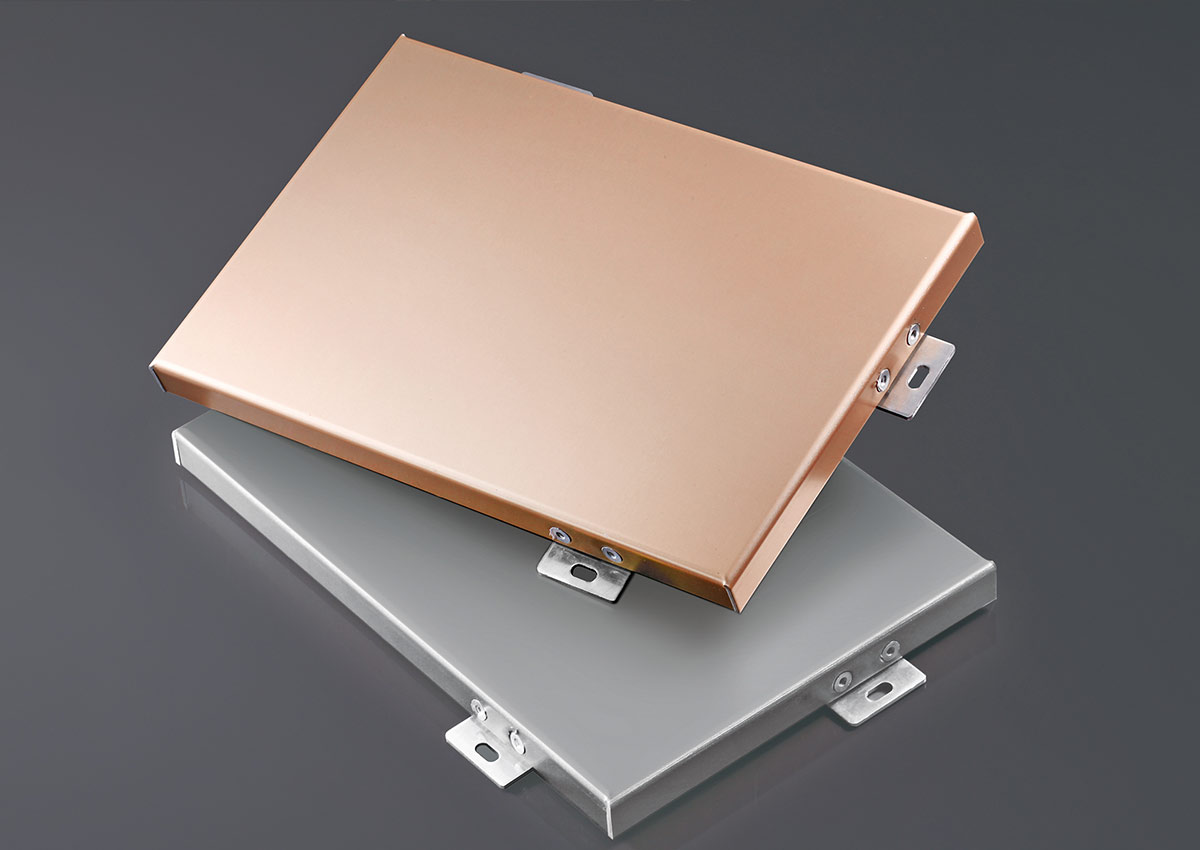
Anodized aluminum is widely used in architectural facades, window frames, curtain walls, aluminum sheets, aluminum coils, electronic housings, transportation parts, and industrial components because it offers an excellent balance of corrosion resistance, durability, lightweight performance, and decorative appearance.
However, anodized aluminum is not completely maintenance-free. The anodized surface is stronger than untreated aluminum, but it can still be damaged by harsh chemicals, abrasive tools, poor cleaning habits, and long-term exposure to dirt, salt, pollution, or hard water deposits.
For building owners, contractors, distributors, importers, OEM buyers, and manufacturers, learning how to clean anodized aluminum correctly is important for protecting both appearance and long-term product value.
This guide explains how anodized aluminum should be cleaned, what products are safe to use, what mistakes should be avoided, and how to maintain anodized aluminum in different environments.
Quick Answer
The safest way to clean anodized aluminum is to rinse the surface with clean water, wash it with a mild pH-neutral detergent, use a soft microfiber cloth or sponge, rinse thoroughly, and dry the surface with a lint-free cloth. Avoid steel wool, abrasive pads, bleach, strong acids, alkaline cleaners, and aggressive solvents because they can damage the anodized oxide layer.
Understanding The Anodized Aluminum Surface

Before cleaning anodized aluminum, it is important to understand why this material requires a different cleaning approach from ordinary aluminum, painted metal, or stainless steel.
Anodizing is an electrochemical process that converts the outer surface of aluminum into a protective aluminum oxide layer. This oxide layer becomes part of the aluminum itself instead of sitting on top of the surface like paint or coating.
This is why anodized aluminum is valued for:
Strong corrosion resistance
Better scratch resistance than untreated aluminum
Long-term color stability
UV resistance
Decorative appearance
Lower maintenance requirements
However, the anodized layer still has limitations. Strong acids, strong alkalis, abrasive pads, metal brushes, and poor cleaning methods can damage the oxide layer, causing dullness, discoloration, surface scratches, or reduced corrosion resistance.
| Item | Anodized Aluminum | Painted Aluminum |
| Surface Type | Oxide layer integrated with metal | Coating applied on top |
| Peeling Risk | Very low | Possible |
| UV Resistance | Excellent | Moderate to good |
| Scratch Resistance | Good | Depends on paint quality |
| Maintenance Requirement | Low, but still required | Moderate |
| Repair Difficulty | Relatively difficult | Easier to repaint |
Industry Insight
Many anodized aluminum appearance problems are not caused by product failure. They are often caused by dirt accumulation, hard water stains, salt deposits, or improper cleaning.
Why Proper Cleaning Matters
Cleaning anodized aluminum is not only about making the surface look better. It also helps protect the anodized layer and extend the service life of the product.
Over time, outdoor and industrial anodized aluminum surfaces may collect:
Dust
Dirt
Salt spray
Rainwater residue
Hard water minerals
Industrial pollutants
Bird droppings
Cement dust
Construction residue
Oil and grease
If these contaminants remain on the surface for a long time, they may become more difficult to remove. In coastal or industrial environments, salt and chemical pollutants may also increase the risk of surface deterioration.
Benefits of Regular Cleaning
| Benefit | Why It Matters |
| Maintains Appearance | Keeps the surface clean, bright, and consistent |
| Extends Service Life | Reduces long-term surface degradation |
| Reduces Maintenance Cost | Prevents expensive restoration work |
| Protects Corrosion Resistance | Removes harmful contaminants |
| Improves Project Value | Maintains the visual quality of buildings and products |
Buyer Consideration
If anodized aluminum is used for facades, curtain walls, outdoor panels, marine environments, or industrial equipment, maintenance planning should be considered before purchase. A low-cost product with poor surface quality may require higher long-term maintenance costs.
Preparing To Clean Anodized Aluminum

Preparation is one of the most important parts of the cleaning process. Many surface problems happen because users start scrubbing before removing loose dirt or because they use the wrong cleaner.
Before cleaning, check the surface condition and prepare safe cleaning materials.
Safe Cleaning Products
Recommended cleaning products include:
Safe Cleaning Tools
Recommended cleaning tools include:
Microfiber cloth
Soft sponge
Soft-bristle brush
Lint-free towel
Clean water bucket
Low-pressure hose
Products And Tools To Avoid
| Avoid | Reason |
| Steel Wool | Scratches the anodized surface |
| Wire Brush | Damages the oxide layer |
| Abrasive Pad | Creates dull marks |
| Bleach | May cause chemical damage |
| Strong Acid Cleaner | May etch the surface |
| Strong Alkaline Cleaner | May attack the anodized layer |
| Oven Cleaner | Too aggressive for anodized aluminum |
| Concrete Cleaner | Usually too harsh |
| Abrasive Powder | Can dull the finish |
Expert Tip
If a cleaner is designed to remove concrete, rust, heavy grease, or scale, it is usually too aggressive for anodized aluminum.
Step-By-Step Guide: How To Clean Anodized Aluminum
This is the most important part of the cleaning process. The goal is to remove contaminants without damaging the anodized oxide layer.
For most anodized aluminum surfaces, the safest method is gentle cleaning, not aggressive scrubbing.
Step 1: Inspect The Surface Before Cleaning
Before applying water or detergent, inspect the anodized aluminum surface carefully.
Check for:
Dust buildup
Water spots
Salt deposits
Grease or oil
Bird droppings
Scratches
Discoloration
White chalky areas
Construction residue
Damaged corners or edges
This inspection helps you choose the right cleaning method.
For example, light dust only requires water and mild soap. Salt deposits may need repeated rinsing. Grease may require a pH-neutral degreaser. Construction residue may require extra caution because cement or mortar stains can be difficult to remove without damaging the finish.
Do not treat every stain the same way. The wrong method can make the problem worse.
Step 2: Rinse The Surface With Clean Water
Start by rinsing the anodized aluminum with clean water.
This removes loose particles such as:
Dust
Sand
Pollen
Small debris
Surface dirt
This step is very important because loose particles can scratch the surface if you begin wiping immediately.
For large outdoor surfaces such as curtain walls, aluminum panels, window frames, or facade systems, use a gentle water flow from top to bottom. Do not use high-pressure washing too close to the surface, especially around joints, seals, glass edges, or installation gaps.
For smaller parts such as aluminum profiles, decorative panels, electronic housings, or machined components, rinse with clean water or wipe gently with a wet microfiber cloth.
The goal is not to finish cleaning at this stage. The goal is to remove loose dirt before washing.
Step 3: Prepare A Mild Cleaning Solution
After rinsing, prepare a mild cleaning solution.
A safe basic formula is:
The solution should feel slippery but not overly concentrated. Too much detergent may leave residue on the anodized surface, causing streaks or attracting more dirt after drying.
Avoid using:
For commercial or industrial maintenance teams, it is better to use a cleaner specifically marked as safe for anodized aluminum or delicate metal finishes.
If you are unsure whether a cleaner is safe, test it first on a small hidden area.
Step 4: Test The Cleaner On A Hidden Area
")
Before cleaning the full surface, apply the cleaning solution to a small, inconspicuous area.
This is especially important for:
Colored anodized aluminum
Dark bronze or black anodized finishes
Brushed anodized aluminum
Architectural facade panels
High-value decorative components
Older anodized aluminum surfaces
After applying the cleaner, wait several minutes, rinse, and dry the area.
Check whether the surface shows:
Color change
Dullness
Streaking
White marks
Surface roughness
Uneven shine
If the test area looks normal, continue cleaning. If there is any visible damage, stop immediately and use a milder method.
This small test can prevent costly damage on large projects.
Step 5: Wash Gently With A Soft Cloth Or Sponge
Dip a microfiber cloth or soft sponge into the cleaning solution. Wring out excess liquid and gently wipe the anodized aluminum surface.
Use light pressure.
Work in small sections instead of trying to clean the entire surface at once.
For vertical surfaces such as facades, window frames, and wall panels, clean from top to bottom. This prevents dirty water from running over already cleaned areas.
For horizontal surfaces, work in one direction where possible. Avoid circular scrubbing with heavy pressure because it may create visible marks on some finishes.
For textured or grooved areas, use a soft-bristle brush. The brush should be soft enough that it does not scratch the finish.
Never use steel wool, rough scouring pads, sandpaper, or stiff wire brushes.
Step 6: Pay Extra Attention To Corners, Joints, And Edges
Dirt often collects in areas that are easy to overlook.
Common problem areas include:
Window frame corners
Curtain wall joints
Panel gaps
Screw holes
Profile grooves
Bottom edges
Drainage areas
Connection points
These areas may collect water, dust, salt, and pollutants more easily than flat surfaces.
Use a soft-bristle brush or folded microfiber cloth to clean these areas gently.
Do not force sharp tools into gaps. Metal tools may scratch the anodized surface or damage sealants.
For architectural projects, edges and joints are often more vulnerable to long-term contamination than the center of the panel, so careful cleaning in these areas improves overall maintenance results.
Step 7: Treat Stubborn Stains Carefully
If normal washing does not remove the stain, do not immediately switch to stronger chemicals.
First, identify the stain type.
For water spots, use repeated mild cleaning and immediate drying.
For salt deposits, rinse several times with fresh water.
For grease or oil, use a pH-neutral degreaser and a soft cloth.
For bird droppings, soften the residue with water before wiping. Do not scrape it dry.
For construction dust, rinse thoroughly before wiping because cement particles may be abrasive.
For unknown stains, test a small area first.
The most common mistake is using aggressive chemicals too early. This may remove the stain but also damage the anodized layer.
If the stain cannot be removed safely, professional cleaning may be a better option.
Step 8: Rinse Thoroughly With Clean Water
After washing, rinse the surface completely with clean water.
This step removes:
Soap residue
Dissolved dirt
Cleaner residue
Remaining contaminants
Do not leave detergent on anodized aluminum.
Residue may dry into streaks or attract dust. In outdoor environments, chemical residue may also react with rainwater, pollution, or sunlight.
For large surfaces, rinse from top to bottom. For small components, rinse evenly until the water runs clean.
This step is especially important for dark anodized aluminum because streaks and residue are more visible on dark finishes.
Step 9: Dry The Surface Immediately
After rinsing, dry the anodized aluminum with a soft microfiber towel or lint-free cloth.
Drying helps prevent:
Water spots
Mineral deposits
Streak marks
Uneven drying patterns
This is especially important in areas with hard water.
If water is allowed to evaporate naturally, minerals may remain on the surface and create white marks or cloudy patches.
For architectural aluminum, drying may not always be practical on very large facades. In that case, use clean water for final rinsing and avoid cleaning under strong sunlight, because fast evaporation can increase spotting.
Step 10: Inspect The Surface After Cleaning
Once the surface is dry, inspect the result.
Check for:
Remaining stains
Streaks
Dull areas
Scratches
Water spots
Cleaner residue
Color differences
If light stains remain, repeat the mild cleaning process instead of using stronger chemicals immediately.
If the surface shows discoloration, oxidation, or physical damage, cleaning alone may not solve the issue.
For commercial buildings, industrial equipment, or high-value aluminum panels, record the cleaning date, cleaning products used, and any surface problems found. This helps support future maintenance planning and supplier communication.

Common Cleaning Mistakes To Avoid
Improper cleaning is one of the most common reasons anodized aluminum loses its appearance.
Mistake 1: Using Steel Wool
Steel wool may remove dirt quickly, but it can permanently scratch anodized aluminum.
Even fine scratches can make the surface look dull and uneven.
Mistake 2: Using Strong Alkaline Cleaners
Strong alkaline cleaners can attack the anodized oxide layer.
This may cause dullness, discoloration, or surface damage.
Mistake 3: Using Acid-Based Cleaners
Some people use acid cleaners to remove stains. This is risky because acids can etch anodized aluminum.
Mistake 4: Cleaning Under Strong Sunlight
When the surface is hot, water and detergent dry too quickly. This increases the risk of streaking and water spots.
Mistake 5: Skipping The Final Rinse
Soap residue left on the surface may attract dirt and create visible marks.
Mistake 6: Using Too Much Pressure
Excessive scrubbing pressure may damage the finish, especially on decorative or colored anodized aluminum.
How To Remove Common Stains From Anodized Aluminum
Different stains require different cleaning methods.
Water Spots
Water spots are usually caused by minerals in hard water.
Recommended method:
Salt Deposits
Salt deposits are common in coastal environments.
Recommended method:
Grease And Oil
Grease may appear on industrial equipment, machinery parts, or transportation components.
Recommended method:
Bird Droppings
Bird droppings should be removed quickly because they may contain organic acids.
Recommended method:
Construction Residue
Cement dust, mortar, and construction particles require extra caution.
Recommended method:
Cleaning Frequency By Environment
Cleaning frequency should depend on the environment, not just the age of the product.
| Environment | Recommended Cleaning Frequency | Main Risk |
| Indoor Areas | Every 6–12 months | Dust and fingerprints |
| Rural Areas | Every 12 months | Dirt and rainwater residue |
| Urban Areas | Every 6 months | Pollution and dust |
| Industrial Areas | Every 3–6 months | Chemical pollutants |
| Coastal Areas | Every 3 months | Salt deposits |
| Construction Sites | As needed | Cement dust and debris |
Industry Insight
The same anodized aluminum product may perform very differently in inland and coastal environments. Salt exposure is one of the biggest reasons outdoor aluminum surfaces require more frequent maintenance.
Case Study: Commercial Building Facade Maintenance
Project Background
A commercial office building used anodized aluminum curtain wall panels and window frames. The building was located in a busy urban area with heavy traffic and air pollution.
Challenge
After several years, the facade began to look dull. Dirt collected around joints and lower panel areas. The property owner was concerned that the anodized aluminum had faded.
Solution
A maintenance team inspected the facade and found that most of the issue was surface contamination rather than anodizing failure.
The cleaning program included:
Gentle water rinsing
pH-neutral detergent
Soft cleaning tools
Detailed cleaning around joints
Final rinsing and drying where practical
Semi-annual maintenance schedule
Results
After cleaning, the surface appearance improved significantly. The building looked newer, and no aggressive chemical restoration was needed.
Key Takeaway
Routine cleaning can often restore the appearance of anodized aluminum without expensive replacement or refinishing.
Buyer Maintenance Checklist
Before cleaning anodized aluminum, review this checklist.
Before Cleaning
Confirm the surface is anodized aluminum
Identify the type of contamination
Check supplier maintenance instructions
Prepare pH-neutral cleaner
Prepare microfiber cloths or soft sponges
Test the cleaner on a hidden area
During Cleaning
After Cleaning
Rinse thoroughly
Dry the surface where possible
Check for remaining stains
Record cleaning date
Plan the next maintenance cycle
Related Product Considerations For Buyers
If you are purchasing anodized aluminum for commercial or industrial use, cleaning performance should be considered together with product quality.
Important factors include:
Aluminum alloy grade
Anodized layer thickness
Surface finish type
Color consistency
Outdoor exposure requirements
Supplier quality control
Packaging protection during shipping
Maintenance recommendations
For distributors, importers, and OEM buyers, consistent surface quality is especially important because customers often judge anodized aluminum visually before evaluating technical specifications.
Products such as anodized aluminum sheet, anodized aluminum coil, brushed anodized aluminum, colored anodized aluminum, and architectural anodized aluminum panels should be selected according to the application environment and maintenance expectations.
Conclusion
Cleaning anodized aluminum correctly is essential for maintaining its appearance, corrosion resistance, and long-term performance. The most important principle is simple: use gentle cleaning methods, pH-neutral detergents, soft tools, thorough rinsing, and proper drying.
For most surfaces, aggressive cleaning is unnecessary and may cause more harm than good. Regular maintenance helps prevent dirt buildup, water spots, salt deposits, and surface dullness.
For importers, distributors, OEM buyers, contractors, manufacturers, and project owners, proper anodized aluminum maintenance also protects long-term product value. When sourcing anodized aluminum sheet, coil, panels, or custom aluminum products, choosing a reliable supplier and understanding maintenance requirements are both important for successful long-term use.
FAQ
Can anodized aluminum be cleaned with vinegar?
Vinegar should be used cautiously. Strong or prolonged exposure may affect the anodized surface. A pH-neutral cleaner is safer for routine cleaning.
Can I use baking soda on anodized aluminum?
Baking soda can be mildly abrasive. It is not recommended for decorative anodized aluminum finishes.
Can anodized aluminum rust?
No. Aluminum does not rust like steel. However, corrosion or oxidation can still occur if the surface is damaged or exposed to harsh environments.
Can I pressure wash anodized aluminum?
Low-pressure washing may be acceptable for some outdoor surfaces, but high pressure should be avoided, especially near joints, seals, and edges.
What is the best cleaner for anodized aluminum?
The best cleaner is usually warm water mixed with a mild pH-neutral detergent.
How often should anodized aluminum be cleaned?
Cleaning frequency depends on the environment. Coastal and industrial areas may require cleaning every 3 months, while rural areas may only need annual cleaning.
Can scratched anodized aluminum be repaired?
Minor scratches are difficult to repair perfectly. Severe damage may require professional refinishing or replacement.
Why does anodized aluminum look cloudy after cleaning?
Cloudiness may be caused by detergent residue, hard water deposits, or improper drying.
Is anodized aluminum suitable for outdoor use?
Yes. Anodized aluminum is widely used outdoors because of its corrosion resistance and UV stability. Proper cleaning helps maintain long-term appearance.
Should anodized aluminum be waxed?
In some outdoor or harsh environments, a non-abrasive protective wax may help improve moisture resistance. Always confirm compatibility before use.