Introduction
If you've ever noticed white spots, discoloration, or small pits on an anodized aluminum surface, you may have wondered whether the material is rusting. This is a common question among architects, engineers, manufacturers, distributors, and buyers evaluating aluminum for outdoor or industrial applications.
The short answer is that anodized aluminum does not rust the way steel does. Rust is a form of corrosion that occurs only in iron-containing metals. Because aluminum contains no iron, it cannot technically rust. However, anodized aluminum can still experience certain types of corrosion or surface deterioration under specific environmental conditions.
Understanding the difference between rust and corrosion is important when selecting materials for building facades, transportation equipment, consumer products, marine components, and industrial machinery. The performance of anodized aluminum depends not only on the anodizing process itself but also on factors such as alloy selection, coating thickness, environmental exposure, and maintenance practices.
This guide explains how anodized aluminum behaves in real-world environments, why it is often mistaken for rusting, and what buyers should know when choosing anodized aluminum products for long-term performance.

Quick Answer
No, anodized aluminum does not rust because it contains no iron. The anodizing process creates a durable aluminum oxide layer that significantly improves corrosion resistance. However, anodized aluminum can still develop oxidation, pitting, staining, or surface degradation if exposed to harsh chemicals, saltwater, galvanic corrosion, or physical damage over time.
Why People Think Anodized Aluminum Rusts

One of the biggest misconceptions about anodized aluminum is that any visible surface change automatically means rust. In reality, several different conditions can make anodized aluminum appear damaged even though true rust is impossible.
White Oxidation Deposits
White, chalky deposits are among the most common reasons people believe anodized aluminum is rusting. These deposits typically result from prolonged exposure to moisture, mineral-rich water, or environmental contaminants.
In many cases, the white residue sits on the surface rather than penetrating the metal. While it may affect appearance, it often does not indicate structural damage.
Pitting Corrosion
Pitting corrosion is a localized form of corrosion that can occur when the protective anodized layer is compromised.
This is most commonly seen in:
Pitting appears as small holes or craters on the surface and is often mistaken for rust because the damage resembles corrosion found on steel structures.
Surface Discoloration
Environmental pollutants, UV exposure, chemical contamination, and improper cleaning methods can cause anodized aluminum to change color over time.
Discoloration does not necessarily indicate corrosion. In many cases, the anodized layer remains intact and continues to protect the underlying aluminum.
Galvanic Corrosion
Galvanic corrosion occurs when aluminum comes into electrical contact with a more noble metal in the presence of moisture.
Common examples include:
Aluminum connected to copper
Aluminum connected to carbon steel
Aluminum connected to stainless steel without proper isolation
When galvanic corrosion occurs, localized damage may develop around connection points, leading observers to believe the aluminum is rusting.
Industry Insight
Many corrosion complaints are ultimately traced back to installation issues rather than material defects. Improper fastener selection, poor drainage design, and incompatible metals often cause more problems than the anodized aluminum itself.
How Anodizing Protects Aluminum From Corrosion
Anodizing is an electrochemical process that transforms the aluminum surface into a controlled oxide layer.
Unlike paint or powder coating, which sit on top of the metal, anodizing becomes part of the aluminum itself.
This oxide layer provides several important benefits:
The Science Behind Anodizing
When aluminum is anodized, oxygen combines with the surface to create aluminum oxide.
This oxide layer is:
Because the protective layer is integrated into the metal, it cannot peel, crack, or flake in the same way as conventional coatings.
Sealed vs. Unsealed Anodized Aluminum
After anodizing, microscopic pores remain within the oxide layer.
Sealing closes these pores and improves resistance to:
Moisture
Staining
Chemical contamination
Salt exposure
For most outdoor applications, sealed anodized aluminum provides significantly better long-term performance.
Corrosion Resistance by Anodizing Type
Anodizing Type | Typical Thickness | Corrosion Resistance |
Type I | 0.5–5 μm | Moderate |
Type II | 5–25 μm | High |
Type III Hard Anodizing | 25–100 μm | Very High |
Expert Tip
For projects located near the ocean, specifying a thicker anodized coating can significantly increase service life and reduce maintenance costs.
How Long Does Anodized Aluminum Last Outdoors?

The lifespan of anodized aluminum depends on both environmental conditions and coating quality.
In many architectural applications, anodized aluminum remains functional and visually attractive for decades.
Typical Service Life by Environment
Environment | Expected Service Life |
Indoor Applications | 20–50+ Years |
Urban Outdoor Areas | 15–30 Years |
Industrial Zones | 10–25 Years |
Coastal Areas | 10–25 Years |
Severe Marine Exposure | Depends on Maintenance |
Environmental Factors That Influence Lifespan
Several conditions can accelerate corrosion or surface degradation:
Salt spray
Airborne pollutants
Industrial chemicals
Acid rain
High humidity
Inadequate cleaning
Projects located near coastlines generally require more aggressive corrosion protection strategies than inland installations.
Buyer Consideration
When comparing anodized aluminum suppliers, service-life expectations should be discussed based on the actual installation environment rather than general industry averages.
Factors That Affect Corrosion Resistance

Not all anodized aluminum products perform the same. Several variables directly influence corrosion resistance.
Aluminum Alloy Selection
Different aluminum alloys respond differently to anodizing.
Alloy Series | Corrosion Resistance | Common Applications |
1000 Series | Excellent | Chemical Processing |
3000 Series | Very Good | Building Products |
5000 Series | Excellent | Marine Applications |
6000 Series | Excellent | Architectural Systems |
7000 Series | Moderate | Aerospace Components |
Coating Thickness
A thicker anodized layer generally provides greater protection against environmental exposure.
For outdoor and industrial projects, coating thickness is often one of the most important performance factors.
Surface Preparation
Poor surface preparation before anodizing can create defects that reduce long-term durability.
Quality manufacturers invest heavily in cleaning, etching, and process control before anodizing begins.
Environmental Exposure
Even the best anodized coating can be challenged by:
The intended service environment should always be considered during material selection.
Common Corrosion Problems and Solutions
Although anodized aluminum offers excellent durability, certain issues can still occur.
Problem | Typical Cause | Recommended Solution |
White Deposits | Mineral buildup | Clean with approved cleaners |
Surface Discoloration | UV exposure or contamination | Surface restoration |
Pitting Corrosion | Chloride attack | Increase coating thickness |
Galvanic Corrosion | Dissimilar metals | Electrically isolate metals |
Surface Damage | Abrasion or impact | Repair or replace affected areas |
Preventive Maintenance Best Practices
Regular maintenance can significantly extend the life of anodized aluminum.
Recommended practices include:
Routine washing
Removal of salt deposits
Inspection of joints and fasteners
Prompt repair of damaged surfaces
Use of non-abrasive cleaning products
Industry Insight
In coastal architectural projects, routine cleaning often has a greater impact on long-term appearance than increasing coating thickness alone.
Common Misconceptions About Anodized Aluminum Corrosion
Anodized Aluminum Never Corrodes
Many buyers assume anodizing makes aluminum completely immune to corrosion.
While anodizing dramatically improves corrosion resistance, no engineering material is entirely immune to environmental attack.
White Stains Mean Structural Failure
White stains are often cosmetic rather than structural.
Many can be removed through proper cleaning and do not indicate significant material degradation.
Stainless Steel Is Always More Corrosion Resistant
Material performance depends on the environment.
In some applications, anodized aluminum provides an excellent balance of corrosion resistance, weight reduction, appearance, and cost efficiency.
Corrosion Resistance Depends Only on Anodizing
The anodizing process is important, but alloy selection, fabrication quality, installation design, and maintenance also influence long-term performance.
Case Study: Coastal Building Facade Application
Project Background
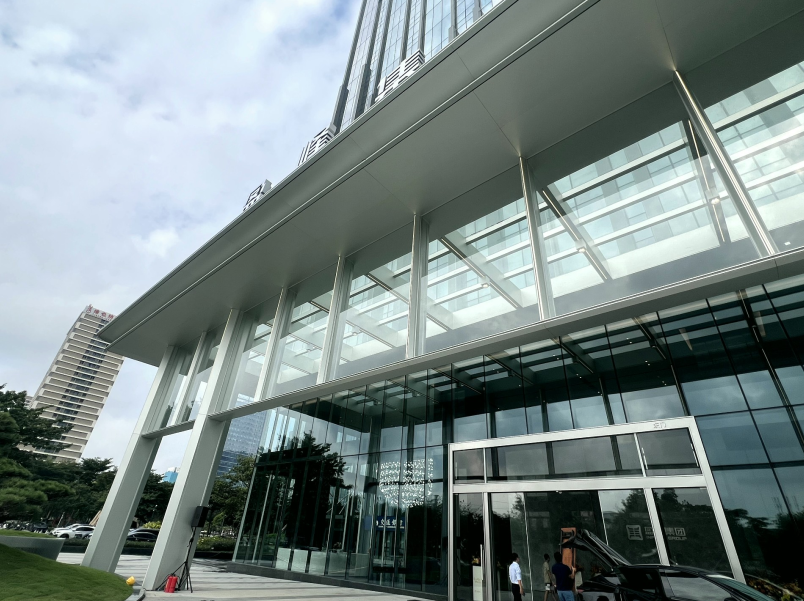
A commercial office building located approximately 500 meters from a coastline required an exterior facade material capable of resisting salt-laden air while maintaining an attractive appearance.
Challenge
The project owner wanted a lightweight material that could withstand decades of environmental exposure without frequent repainting or replacement.
Solution
The design team selected:
Architectural-grade 6063 aluminum
High-quality anodized finish
Enhanced sealing treatment
Corrosion-resistant installation hardware
Results
Following years of operation, the facade demonstrated:
Excellent appearance retention
Minimal discoloration
No significant pitting corrosion
Reduced maintenance requirements
Key Takeaway
Long-term corrosion resistance depends on proper material selection, coating quality, installation design, and maintenance planning rather than anodizing alone.
Buyer Checklist Before Purchasing Anodized Aluminum
Before sourcing anodized aluminum products, buyers should evaluate several key factors.
Confirm the aluminum alloy grade.
Understand the intended service environment.
Verify anodized coating thickness.
Review corrosion resistance test results.
Confirm sealing quality.
Evaluate manufacturing process controls.
Check supplier certifications.
Assess project-specific durability requirements.
Verify quality inspection procedures.
Request relevant project references when available.
Buyer Consideration
For importers and distributors, requesting technical documentation often provides more useful information than relying solely on product samples.
How to Choose Anodized Aluminum for Harsh Environments
Different applications require different performance priorities.
Architectural Applications
Focus on:
Marine Applications
Focus on:
Industrial Equipment
Focus on:
Consumer Products
Focus on:
Appearance quality
Scratch resistance
Cost-performance balance
Supplier Evaluation Criteria
Evaluation Factor | Importance |
Manufacturing Experience | High |
Quality Control System | High |
Anodizing Capability | High |
Testing Capability | High |
Delivery Reliability | High |
Technical Support | Medium |
Conclusion
Anodized aluminum does not rust because it contains no iron. However, it can still experience various forms of corrosion or surface degradation when exposed to harsh environmental conditions, chemical attack, galvanic reactions, or physical damage.
Most situations that appear to be rust are actually caused by oxidation, staining, pitting, or contamination rather than true rust formation. Understanding these differences allows buyers to make better material selection decisions and avoid unnecessary concerns about long-term performance.
For architects, engineers, manufacturers, contractors, and procurement professionals, the key to maximizing durability lies in choosing the right alloy, specifying appropriate anodizing thickness, ensuring proper installation, and implementing regular maintenance practices. When these factors are properly managed, anodized aluminum can provide decades of reliable service in demanding outdoor and industrial environments.
FAQ
Can anodized aluminum rust in saltwater?
No. Anodized aluminum cannot rust because it contains no iron. However, prolonged saltwater exposure can lead to pitting corrosion if the protective anodized layer is damaged or insufficient for the environment.
Does anodized aluminum corrode faster than stainless steel?
Not necessarily. Corrosion performance depends on alloy selection, environmental conditions, and application requirements. In many outdoor applications, anodized aluminum provides excellent durability while offering significant weight advantages.
Can scratched anodized aluminum corrode?
Yes. Deep scratches can expose fresh aluminum beneath the anodized layer, increasing the likelihood of localized corrosion if the surface remains exposed to moisture or contaminants.
How thick should anodizing be for outdoor applications?
The appropriate thickness depends on environmental exposure. Coastal and industrial environments typically require thicker anodized coatings than indoor or low-pollution environments.
Is hard anodized aluminum more corrosion resistant?
Generally, yes. Hard anodizing produces a thicker and denser oxide layer, improving both corrosion resistance and wear resistance.
Can anodized aluminum be repaired after corrosion?
Minor cosmetic damage can often be cleaned or refinished. Severe corrosion or coating damage may require re-anodizing or replacement of the affected component.
What causes white spots on anodized aluminum?
White spots are commonly caused by oxidation products, mineral deposits, salt residue, or environmental contaminants rather than rust.
Is anodized aluminum suitable for coastal buildings?
Yes. Properly specified anodized aluminum is widely used in coastal architecture and can provide long-term durability when combined with appropriate maintenance.
Does anodizing wear off over time?
The anodized layer does not peel like paint, but it can gradually wear due to abrasion, weathering, or chemical exposure over many years.
What should buyers request from anodized aluminum suppliers?
Buyers should request information on alloy grade, anodizing thickness, quality control procedures, corrosion testing, production capabilities, and relevant industry certifications.