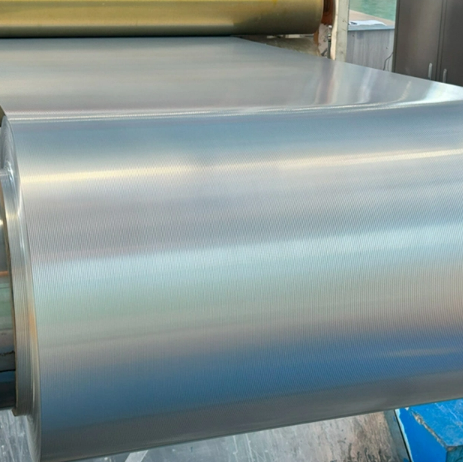
Anodized aluminum offers unmatched durability and shine, but how do Class I and Class II differ? In this article, we explain their uses, benefits, and costs, helping you choose the right type for your projects.
What is Clear Anodized Aluminum?
The basics of anodized aluminum
Anodized aluminum is created through an electrochemical process where the aluminum surface becomes the anode in an electrolytic bath. Oxygen ions bond with the surface, forming aluminum oxide, which is much harder than the base material. Unlike coatings or paints, this layer is integral to the metal itself, so it will not chip, peel, or flake. This process gives anodized aluminum excellent hardness, corrosion resistance, and durability, making it a preferred choice for both industrial and consumer products.
What makes clear anodizing unique
Clear anodizing produces a transparent anodic layer that preserves the natural metallic appearance of aluminum. It differs from dyed anodizing, where pigments are absorbed into the porous oxide layer before sealing. Because clear anodized finishes maintain a metallic sheen, they are popular for architectural and consumer applications where design aesthetics are just as critical as durability. The transparent layer also allows the aluminum to reflect light naturally, providing a bright, modern look for finished products.
Why industries rely on clear anodized aluminum
Industries rely on clear anodized aluminum because it balances protection, appearance, and cost efficiency. It is lightweight compared to stainless steel or copper yet three times harder than raw aluminum. Applications range from curtain wall panels and storefront systems to rail cars, aircraft interiors, and high-end electronics. The advantages of anodized aluminum include longevity, scratch resistance, and consistent finishes across large projects.
Understanding Class I vs. Class II Clear Anodizing
Defining Class I anodizing
Class I anodizing requires a minimum thickness of 0.7 mil (18 microns). This thickness provides superior resistance to UV radiation, acid rain, and salt spray. Because of its durability, Class I anodizing is specified for building exteriors, curtain walls, outdoor signage, and transportation parts exposed to harsh conditions. Class I anodized aluminum maintains structural integrity and gloss over decades, making it suitable for high-performance projects.
Defining Class II anodizing
Class II anodizing requires a minimum thickness of 0.4 mil (10 microns). It delivers balanced corrosion protection and aesthetics while being more cost-effective. Class II is commonly used for interior spaces, decorative trim, ceiling panels, and consumer products where environmental stress is moderate. Despite the thinner layer, it still provides excellent scratch resistance and wear performance in controlled settings.
Table 1: Thickness and Application Summary
Class | Minimum Thickness | Typical Use Case | Durability Level |
Class I | ≥ 0.7 mil (18 microns) | Exterior, harsh environments | Very high |
Class II | ≥ 0.4 mil (10 microns) | Interior, controlled conditions | Moderate |
Industry standards and certifications
Two main standards define the difference between Class I and Class II clear anodizing:
● AAMA 611: Establishes performance requirements for architectural anodized finishes.
● MIL-A-8625: Defines anodic coating classifications for aerospace and defense applications.
These certifications ensure uniform quality and provide benchmarks for project specifications.
Key performance differences
The most important distinction is how anodic film thickness influences durability. Class I anodizing withstands UV exposure, salt spray, and pollution for decades with minimal fading. Class II is durable in controlled environments but may degrade faster outdoors. Maintenance cycles also differ, with Class I requiring less frequent cleaning and recoating. The thicker Class I layer also provides superior chemical resistance and better protection against scratches or abrasions.
Cost and practical considerations
Because it uses less material and energy, Class II anodizing is usually less expensive. However, using Class II in exterior environments can lead to premature wear, higher long-term costs, and performance issues. Class I anodizing carries higher upfront cost but reduces maintenance and replacement expenses. Selecting the right class involves balancing initial budget against long-term performance requirements.
Visual and aesthetic differences
Both classes deliver a natural metallic appearance, but their longevity differs. Class I finishes retain gloss and clarity for decades, while Class II may show subtle dulling or surface discoloration over time when exposed to sunlight or pollution. For projects prioritizing appearance retention, Class I is the safer choice. Even in indoor applications, Class I can provide more uniform gloss over large panels.
Misconceptions about Class I vs. Class II
A common myth is that Class II is “low quality.” In reality, both classes provide durable finishes. The difference is environmental suitability. Class II is not intended for exterior conditions but works exceptionally well indoors. Misapplication often leads to performance issues, not the finish itself.
Advantages of Class I Clear Anodized Aluminum
Superior weather resistance
Class I anodized aluminum provides unmatched protection against UV, acid rain, and pollution. It is the industry standard for exterior cladding, curtain walls, and outdoor architectural features. Its thicker anodic layer ensures that even in extreme weather, panels remain stable and visually consistent.
Table 2: Example Applications of Class I Anodized Aluminum
Sector | Example Applications | Benefit |
Architecture | Curtain walls, exterior panels, signage | Long-term weather resistance |
Transportation | Rail cars, aircraft exteriors | Durability in harsh conditions |
Infrastructure | Outdoor fixtures, lighting poles | Reduced maintenance needs |
Longevity in demanding environments
With an anodic layer nearly twice as thick as Class II, Class I offers longer service life and reduced maintenance costs. Building owners often find the higher upfront cost offsets decades of lower upkeep. Even minor surface scratches or environmental damage do not penetrate the anodic layer, preserving structural and aesthetic performance.
Applications in aerospace and heavy transportation
In sectors like aerospace and rail, Class I finishes are chosen because durability outweighs cost concerns. Components must endure constant vibration, temperature fluctuations, and weather without surface degradation. The consistent thickness ensures uniform protection across large surfaces and complex shapes.

Advantages of Class II Clear Anodized Aluminum
Cost-efficiency for interior projects
Class II anodizing is a highly economical option for interior environments. It offers sufficient protection for office spaces, retail areas, and decorative trims where environmental exposure is minimal. Its thinner anodic layer reduces both material usage and processing time, which lowers overall project costs without sacrificing essential durability. Additionally, Class II anodized aluminum allows designers to maintain a sleek metallic finish while staying within tight budget constraints, making it an attractive choice for large-scale interior projects.
Adequate protection in controlled conditions
Despite having a thinner layer than Class I, Class II coatings still provide excellent resistance against scratches, stains, and everyday wear. For indoor applications, this level of protection is more than sufficient to ensure longevity and performance. The surface maintains its metallic sheen and can withstand frequent handling, making it suitable for furniture, panels, and fixtures that experience regular contact. Class II anodized aluminum therefore combines practicality with reliable protection for moderate-use conditions.
Common architectural and consumer uses
Class II anodized aluminum is widely applied in interior architectural elements and consumer products. Typical uses include ceiling systems, decorative wall panels, store fixtures, and furniture components. Consumer electronics and household appliances often rely on Class II anodized surfaces to achieve lightweight, visually appealing finishes while keeping costs down. Choosing Class II anodizing is often a practical solution for projects where budget efficiency is a priority, and environmental stress is limited.
How to Choose Between Class I and Class II Anodized Aluminum
Factor | Class I | Class II |
Minimum Thickness | ≥ 0.7 mil (18 microns) | ≥ 0.4 mil (10 microns) |
Best Use Case | Exterior, harsh environments | Interior, controlled conditions |
Durability | Superior, long-term weather resistance | Adequate for controlled conditions |
Cost | Higher upfront | Lower upfront |
Appearance Retention | Excellent over decades | Moderate, may dull over time |
Evaluating environmental conditions
When choosing between Class I and Class II anodizing, environmental exposure is a critical factor. UV light, salt, and pollution significantly affect the performance of anodized aluminum. Class I is specifically designed for exterior applications or industrial settings, where long-term durability and weather resistance are required. Class II performs well indoors or in controlled environments where the risks of corrosion, fading, or abrasion are minimal. Understanding these environmental stress factors ensures that the chosen anodizing class delivers consistent performance throughout its service life.
Balancing budget vs. performance
Project managers must consider whether short-term savings from using Class II justify potential long-term maintenance costs. While Class II reduces upfront expenses, Class I often provides better total value over time due to extended lifespan and lower maintenance needs. Life-cycle cost analysis frequently favors Class I for projects with high environmental exposure or demanding performance requirements. Evaluating both initial investment and long-term durability helps optimize the overall project budget while ensuring reliable finish quality.
Considering industry requirements
Industry standards and project specifications often dictate the selection of anodizing class. Compliance with AAMA 611 or MIL-A-8625 ensures that the coating meets required durability, thickness, and corrosion-resistance benchmarks. Building codes, contracts, and client expectations can also influence the choice between Class I and Class II. Confirming that the selected anodizing class meets all regulatory and project-specific criteria reduces the risk of rejection or costly rework, safeguarding both project timelines and quality.
Design and aesthetic priorities
Surface appearance and visual longevity are key considerations for many architectural and branded projects. Class I anodized aluminum is preferred when consistency, gloss retention, and long-term aesthetic appeal are critical. For interior applications, Class II can balance visual performance and budget efficiency, providing attra
Conclusion
Class I and Class II anodized aluminum suit different needs. Class I excels outdoors, while Class II fits interior projects. Guangdong Anlv New Material Co., Ltd. offers high-quality anodized aluminum that delivers durability, aesthetic appeal, and cost efficiency for diverse applications, helping clients achieve long-lasting, reliable results.
FAQ
Q: What is the difference between Class I and Class II clear anodizing?
A: Class I anodized aluminum has a thicker coating (≥0.7 mil) designed for exterior and harsh environments, offering superior corrosion resistance and long-term durability. Class II (≥0.4 mil) is thinner, more cost-effective, and best for interior or controlled applications where exposure is limited.
Q: Why choose Class I clear anodized aluminum?
A: Advantages of Class I clear anodized aluminum include excellent weather resistance, long-lasting finish, and reduced maintenance. It is ideal for exterior panels, curtain walls, and outdoor signage where both performance and aesthetics are critical.
Q: When is Class II anodized aluminum appropriate?
A: Class II vs Class I aluminum anodize thickness makes Class II suitable for indoor spaces like offices, retail areas, and decorative trim. It resists scratches, stains, and moderate wear while keeping project costs lower than Class I.
Q: How do I decide between Class I and Class II anodized aluminum?
A: Choosing between Class I Class II anodized aluminum requires evaluating environmental exposure, budget, and project requirements. Class I suits high-stress, long-term projects, while Class II meets interior or low-exposure needs efficiently.
Q: Does anodized aluminum require special maintenance?
A: Anodized aluminum is low-maintenance. Regular cleaning with mild detergents preserves its metallic sheen. Class I maintains appearance and protection longer outdoors, while Class II is sufficient for indoor conditions.