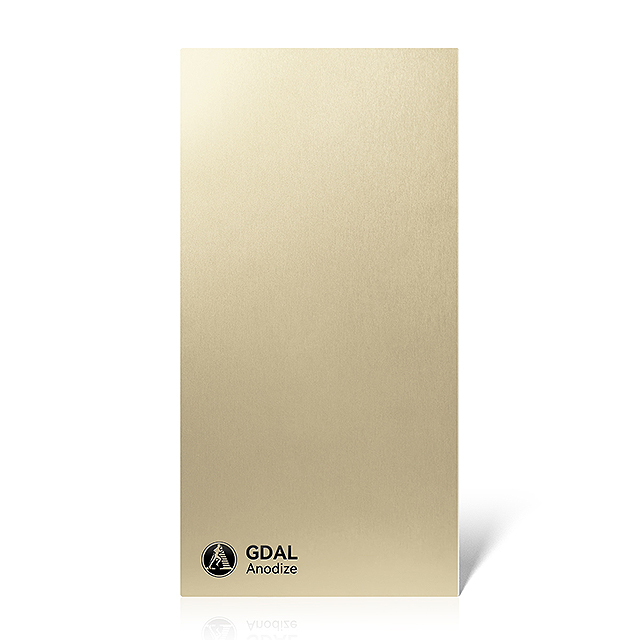
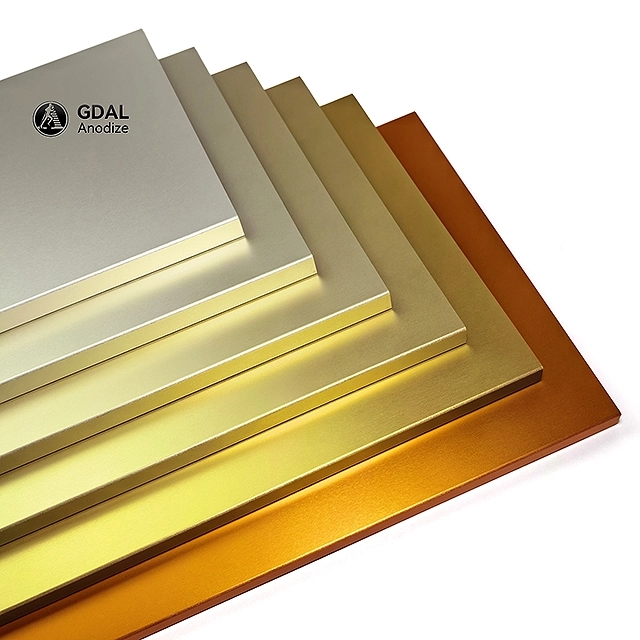
Ever wondered how to tell if aluminum is anodized aluminum or just coated? Knowing this matters for durability and appearance. Anodized aluminum has a unique surface formed by an electrochemical process. In this post, you’ll learn what anodized aluminum is, why identifying it matters, and how the anodizing process works.
Understanding What Anodized Aluminum Means

Difference Between Surface-Converted and Surface-Covered Finishes
Anodized aluminum differs from other finishes because it is surface-converted, not surface-covered. This means the finish forms by changing the aluminum's surface itself, rather than adding a layer on top. Paint or powder coating covers the metal like a skin. Anodizing grows an oxide layer from the aluminum, bonding tightly and becoming part of the metal. This fundamental difference affects how the finish behaves, wears, and looks.
How Anodizing Changes Aluminum Surface Chemistry
Anodizing is an electrochemical process that thickens the natural oxide layer on aluminum. Normally, aluminum forms a thin oxide film that protects it slightly. Anodizing increases this layer's thickness dramatically, creating a hard, porous, and corrosion-resistant surface. The process involves immersing aluminum in an acid electrolyte and applying an electric current, which converts the surface into aluminum oxide. This oxide layer is transparent or translucent, allowing the metal's texture to show through.
Benefits of the Oxide Layer Formed by Anodizing
The oxide layer formed by anodizing offers several advantages:
Durability: The thickened oxide layer is much harder than bare aluminum, improving scratch and wear resistance.
Corrosion Resistance: It protects aluminum from environmental damage, extending the metal’s lifespan.
Color Stability: The porous structure can absorb dyes, allowing uniform and long-lasting color options without peeling.
Non-Peeling Finish: Unlike paint, the oxide layer won't chip or peel because it is part of the metal surface.
Electrical Insulation: The oxide acts as an insulator, useful in electronic applications.
Heat Resistance: The layer withstands high temperatures better than many coatings.
These benefits make anodizing popular in industries requiring both protection and aesthetics.
Note: Remember, anodizing changes the aluminum surface chemically, creating a finish integral to the metal—not just a coating applied on top—so inspection methods must account for this difference.
Visual Inspection Techniques for Anodized Aluminum
Using Natural and Raking Light to Inspect Surface Texture
Start by examining the aluminum in natural daylight or bright light. Raking light—light cast at a low angle across the surface—helps reveal texture details. Anodized aluminum usually shows a consistent, fine texture because the oxide layer grows from the metal itself. This layer is often translucent, so the metal’s grain or brushed pattern remains visible. In contrast, painted or powder-coated surfaces tend to hide these details under a thicker, opaque film.Use a flashlight or a desk lamp held at a shallow angle to highlight subtle surface variations. Look for smooth transitions and uniform texture. Any buildup, unevenness, or rough patches may suggest a coating rather than anodizing.
Recognizing Sheen, Color Uniformity, and Grain Visibility
Anodized aluminum often has a matte or satin sheen. It looks metallic but not glossy like paint or powder coat. The color is usually even across the surface, without patchiness or pooling. If it’s clear anodized, the metal’s natural silver tone appears brighter and more uniform than bare aluminum, which can look dull or uneven.Check if the metal grain or brushing pattern shows through clearly. Anodizing preserves these details, unlike paint that typically masks them. Also, observe edges and corners. Anodized finishes follow the metal’s shape smoothly, while coatings may appear thicker or wrap unevenly around edges.
Comparing Edges, Holes, and Hidden Areas for Consistency
Don’t focus only on flat faces. Inspect drilled holes, recesses, and hidden edges. Anodizing covers all exposed aluminum surfaces uniformly because it forms chemically on the metal. Painted or powder-coated parts sometimes show thinner or missing coverage in these areas.Look for consistent color and texture inside holes and along edges. If these areas differ noticeably from the main surface, the finish might be a coating instead of anodizing. Hidden spots often reveal the true nature of the finish since they are less likely to be touched up or repaired.
Common Visual Misidentifications and How to Avoid Them
Mistaking anodized aluminum for painted or powder-coated parts is common. Color alone isn’t a reliable clue. For example, anodized aluminum can be dyed blue or black, but so can paint. Glossy finishes usually indicate paint or powder coating, not anodizing.Also, clear anodized aluminum can look like bare metal. The key difference is uniformity and texture preservation. Bare aluminum often shows uneven marks, die lines, or oxidation spots. Anodized surfaces appear smoother and more refined.Avoid relying on a single visual sign. Combine observations: sheen, texture, edge behavior, and coverage consistency. When in doubt, use additional physical or advanced tests for confirmation.
Tip: Use angled light and inspect edges, holes, and hidden areas closely to spot consistent texture and color—key clues that confirm anodized aluminum’s integral finish.
Physical and Wear Clues to Identify Anodized Aluminum
How Anodized Aluminum Wears Compared to Painted or Powder-Coated Surfaces
Anodized aluminum wears differently than painted or powder-coated surfaces because its finish is part of the metal, not just a layer on top. When it wears, it usually shows dulling, slight polishing, or localized abrasion instead of chips or flakes peeling away. Paint or powder coatings can crack, chip, or peel because they sit on the surface and can separate from the metal underneath. Anodizing creates a hard oxide layer that bonds tightly to aluminum, so it rarely peels or flakes off.
Inspecting Corners, Fastener Points, and High-Touch Areas
Look closely at corners, screw holes, fastener points, and areas where hands or parts frequently touch or rub. These spots often show wear first. On anodized aluminum, you’ll notice smoother, slightly dulled areas from friction or rubbing, but the finish remains intact. Painted or powder-coated parts might show raised edges, flaking, or peeling in these zones. If you see paint lifting or a clear separation from the metal, it’s likely not anodized.
Signs of Dulling, Abrasion, and Lack of Peeling
Wear signs on anodized aluminum often appear as:
Dulling: The metallic sheen softens, especially on edges or raised features.
Abrasion: Fine scratches or worn spots expose a lighter, polished look but no peeling.
No Peeling: The oxide layer stays bonded, so you won’t see flakes or chips lifting.
These clues tell you the finish is integral to the metal. In contrast, peeling or flaking usually indicates a coating, not anodizing.
Understanding Why Anodized Aluminum Does Not Peel Like Paint
Anodizing grows an oxide layer chemically from the aluminum surface, making it part of the metal itself. This layer is hard, thin, and porous, so it adheres tightly without forming a separate film. Paint or powder coatings are applied on top and form a distinct layer that can expand, contract, or crack independently. Because anodizing is a conversion process, it resists peeling even under wear or impact. This fundamental difference explains why anodized aluminum’s wear patterns are usually limited to dulling or abrasion rather than peeling or chipping.
Tip: When inspecting aluminum, focus on worn corners and fastener areas—look for dulling or abrasion without peeling to confidently identify anodized finishes.
Advanced Methods to Confirm Anodized AluminumWhen visual or wear clues leave doubt, advanced methods help confirm if aluminum is anodized. These techniques rely on precise observation, measurement, and documentation rather than guesswork.
Using Magnification and Microscopic Inspection
A small magnifier or microscope reveals finish details invisible to the naked eye. Under magnification, anodized aluminum shows a fine, uniform oxide layer that follows the metal’s texture closely. You might spot tiny pores or a consistent grain pattern beneath the surface. Edges, holes, and masked areas often display a smooth transition between the metal and finish, unlike painted or powder-coated parts where the finish may appear layered or uneven. Microscopic inspection also helps identify scratches or wear patterns characteristic of anodizing, such as dulling or polishing without flaking.
Eddy Current Thickness Measurement for Oxide Layer
Eddy current gauges measure the thickness of non-conductive coatings on conductive metals without damaging the part. Since anodizing forms an oxide layer, it registers as a thin, non-conductive film. Typical anodic oxide thickness ranges from 5 to 30 microns (μm), depending on the process type. Measuring multiple points across the surface, including edges and holes, confirms uniform coverage. In contrast, bare aluminum shows near-zero thickness, and paint or powder coatings often measure thicker, less uniform layers. Calibration of the gauge to the specific aluminum alloy improves accuracy.
Conductivity Testing and Electrochemical Analysis
Anodized aluminum’s oxide layer is an electrical insulator. Simple conductivity tests can differentiate anodized surfaces from bare aluminum, which conducts electricity well. Using a conductivity meter or probe, low surface conductivity suggests anodizing. More advanced electrochemical techniques, like polarization curve analysis, assess corrosion resistance and oxide quality. These tests require specialized equipment but provide quantitative data on the anodic layer’s protective properties, helping confirm the finish type and quality.
Reviewing Documentation and Supplier Records for Verification
Surface tests alone may not settle questions if parts have been reworked, repainted, or mixed. Supplier documentation often provides the most reliable confirmation. Look for finish callouts on drawings referencing standards like MIL-A-8625 or AA-A31, specifying anodizing type and thickness. Process records, traveler sheets, or quality certificates detail alloy, anodizing parameters, color, and inspection results. Samples approved during production serve as visual benchmarks. When possible, verify that concealed areas, masked zones, and edges received the same treatment as visible faces. Supplier transparency and in-house anodizing capabilities simplify this verification.
Tip: Use a combination of magnification, eddy current thickness measurement, and supplier documentation to confidently verify anodized aluminum without damaging the part.
Common Lookalikes and How to Differentiate Them

When trying to tell if aluminum is anodized, it's easy to get tricked by similar finishes. Several treatments can mimic anodized aluminum's look, so knowing how to spot the differences is crucial.
Distinguishing Anodized Aluminum from Bare, Painted, and Powder-Coated Aluminum
Comparing Edge Behavior, Chip or Peel Patterns, and Surface Feel
Edges and holes reveal a lot. Anodized aluminum’s oxide layer forms evenly, following the metal’s shape without thick buildup. Painted or powder-coated parts often show thicker edges or peeling film at corners. When you see lifted flakes or chips, it’s likely paint or powder coat, not anodizing.Feel the surface. Anodized aluminum feels hard and metallic, not soft or plasticky. Painted or powder-coated finishes tend to feel smoother or thicker, sometimes even rubbery.
Understanding Differences with Plated and Alodined Aluminum
Plating adds a metal layer, which can look similar but behaves differently. Plated surfaces can wear through, exposing the base metal beneath. Anodizing creates an oxide layer integral to aluminum, so wear looks like dulling, not exposure of a different metal.Alodine (chemical conversion coating) is thinner and less durable than anodizing. It offers corrosion protection but not the same hardness or decorative color range. Its subtle yellow tint and smooth feel can confuse first-time inspectors.
Avoiding Misidentification Traps with Color and Finish
Color alone misleads often. Anodized aluminum can be dyed in many colors, but so can paint or powder coat. Glossy finishes usually point to paint or powder coat, not anodizing, which tends to have a matte or satin sheen.Clear anodizing can look like bare aluminum. The key is uniformity and texture preservation. Bare aluminum often shows uneven marks or oxidation spots. Anodized surfaces appear smoother and more consistent.Beware claims of "white anodized aluminum." True white anodizing is rare; white finishes often come from paint or powder coating.
Practical Tips for Inspecting and Approving Anodized Aluminum

Tools Needed for Safe and Effective Inspection
Before starting, gather a few simple tools to ensure a safe, thorough inspection:
Microfiber cloth: For gentle cleaning without scratching.
Plain water: To remove dirt or oils.
Bright flashlight or portable LED light: Helps reveal surface texture under raking light.
Small magnifier or jeweler’s loupe (10x or higher): Useful for close inspection of edges, holes, and wear points.
Gloves: Prevent oils from your hands altering surface appearance.
Non-contact eddy current thickness gauge (optional): Measures oxide layer thickness without damaging the part.
These tools help you observe clues without harming the finish or relying on guesswork.
Step-by-Step Guide for Home and Field Checks
Clean the Surface:Wipe the aluminum gently with a dry microfiber cloth. If grime remains, use a damp cloth with plain water, then dry thoroughly. Avoid harsh chemicals or abrasive cleaning.
Examine Under Good Light:Use natural daylight or a bright flashlight held at a low angle to cast raking light across the surface. This highlights texture, sheen, and uniformity.
Look for Texture and Color Consistency:Check flat faces, edges, drilled holes, and hidden recesses. Anodized aluminum shows consistent color and preserves metal grain or brushed patterns even in hard-to-see spots.
Feel the Surface Lightly:Touch the aluminum softly to sense a hard, metallic finish. Avoid scratching or pressing hard. Anodized surfaces feel firm and smooth, unlike softer, film-like coatings.
Inspect Wear Areas:Focus on corners, fastener holes, and high-contact zones. Look for dulling or polishing without peeling or flaking. Peeling suggests paint or powder coat, not anodizing.
Use Magnification:With a loupe, check edges and masked areas for uniform oxide coverage. Look for tiny pores or a consistent grain pattern beneath the surface.
Optional Thickness Measurement:If available, use an eddy current gauge to measure oxide thickness (typically 5–30 microns). Uniform readings across the part support anodizing presence.
Compare with Known Samples:If possible, compare the part to a verified anodized sample made from the same alloy and finish type.
What to Ask Suppliers for Reliable Finish Confirmation
Finish Specification: Request the exact anodizing standard or specification (e.g., MIL-A-8625, AA-A31) used.
Alloy Information: Confirm the aluminum alloy, as some anodize better than others.
Process Documentation: Ask for process records, traveler sheets, or inspection reports detailing anodizing parameters and thickness.
Sample Approval: Verify if approved samples exist for color and finish matching.
Coverage Confirmation: Ensure all surfaces, including concealed areas and holes, received anodizing treatment.
Supplier Capability: Check if anodizing is done in-house or subcontracted, and who controls quality.
Handling Reworked, Worn, or Mixed-Material Parts
Look for Patterns: Multiple clues across different areas carry more weight than a single spot.
Account for Wear: Dull or polished spots without peeling usually indicate anodizing, even if some areas look different.
Consider Rework: Machining after anodizing or partial stripping can create inconsistent appearance.
Check Hidden Areas: Less exposed spots may retain original anodizing better than surfaces touched or repainted.
Avoid Aggressive Testing: Don’t use knives, sandpaper, or chemicals on production parts to avoid damage or false readings.
Request Supplier Clarification: If parts show mixed signals, ask suppliers for explanation or rework history.
Tip: Always start inspection by cleaning gently and using angled light to reveal consistent texture and color before touching or testing the aluminum surface.
Why Aluminum is Anodized: Benefits and Applications
Improved Corrosion and Wear Resistance
Anodizing aluminum creates a thick, dense oxide layer that protects the metal underneath. This layer resists corrosion far better than bare aluminum, which naturally forms only a thin oxide film. The anodized surface acts as a strong barrier against moisture, chemicals, and environmental damage. This makes anodized aluminum ideal for outdoor or harsh environments.Wear resistance also improves dramatically. The oxide layer is much harder than the aluminum base, reducing scratches and abrasion. For parts exposed to friction, like automotive wheels or electronic casings, anodizing helps maintain appearance and structural integrity over time.
Enhanced Decorative Appearance and Color Options
Anodizing offers a wide range of decorative possibilities. The porous oxide layer absorbs dyes evenly, allowing vibrant, uniform colors that don’t peel or chip like paint. Common anodized colors include silver, black, bronze, and blue, but many shades are possible.Besides color, anodizing preserves the metal’s natural texture, such as brushed or matte finishes. This gives products a sleek, high-quality look that is both durable and elegant. For example, many consumer electronics use anodized aluminum for its premium appearance.
Better Adhesion and Insulation Properties
The porous surface created by anodizing improves adhesion for paints, adhesives, and sealants. This is useful when additional coatings or bonding are required, ensuring they stick well and last longer.Also, the anodized oxide layer acts as an electrical insulator. This property is valuable in electronics, preventing current leakage and protecting sensitive components. Anodized aluminum parts can safely be used in electrical housings or heat sinks without risk of short circuits.
Heat Resistance and Industrial Applications
Anodized aluminum withstands higher temperatures without degrading compared to bare or painted aluminum. The oxide layer remains stable, making anodized parts suitable for heat exchangers, engine components, and other high-temperature uses.This heat resistance, combined with corrosion and wear protection, makes anodizing popular in demanding industrial settings.
Common Uses in Architecture, Electronics, Automotive, Aerospace, and Household Items
Architecture: Anodized aluminum is common in curtain walls, window frames, and door trims. It offers weather resistance and a refined look for building exteriors.
Electronics: Devices like smartphones, laptops, and tablets often feature anodized aluminum cases for durability and style.
Automotive: Wheels, roof racks, and trim parts use anodizing to resist corrosion and wear while maintaining appearance.
Aerospace: Aircraft components benefit from anodizing’s protection against harsh environments and mechanical wear.
Household Items: Kitchenware, furniture, and lighting fixtures use anodized aluminum for both beauty and longevity.
Tip: When specifying anodized aluminum, consider its corrosion resistance, color options, and insulation properties to match your product’s performance and aesthetic needs.
Conclusion
To tell if aluminum is anodized, observe its texture, color uniformity, and edge consistency carefully. Use multiple clues such as wear patterns and surface feel for accurate identification. When in doubt, advanced tests and supplier documentation ensure proper verification. Combining these methods helps avoid misidentification and confirms quality finishes. For reliable anodized aluminum products, Guangdong Anlv New Material Co., Ltd. offers expert solutions that provide durable, corrosion-resistant, and visually appealing materials.
FAQ
Q: What is anodized aluminum?
A: Anodized aluminum is aluminum that has undergone an electrochemical process to form a durable oxide layer on its surface, enhancing corrosion resistance and wear properties.
Q: How can I tell if aluminum is anodized by visual inspection?
A: Look for a consistent, matte or satin sheen that shows the metal grain beneath, uniform color including edges and holes, and absence of peeling or chipping.
Q: Why does anodized aluminum not peel like paint?
A: Because anodizing chemically converts the aluminum surface into a hard oxide layer integral to the metal, it won’t chip or peel like surface coatings do.
Q: Are there tools to confirm anodized aluminum?
A: Yes, magnifiers, eddy current thickness gauges, and conductivity testers help verify the oxide layer without damaging the metal.
Q: What are the benefits of anodized aluminum?
A: Benefits include enhanced corrosion and wear resistance, color stability, electrical insulation, heat resistance, and improved adhesion for coatings or adhesives.