Can you paint anodized aluminum? This durable metal has a slick, protective surface that challenges paint adhesion. In this post, you’ll learn what anodized aluminum is, why painting it is tricky, and how to achieve a lasting finish.
Can You Paint Anodized Aluminum?

Challenges of painting anodized aluminum surfaces
Painting anodized aluminum isn't as simple as painting regular metal. The anodizing process creates a hard, smooth oxide layer on the surface. This layer protects the aluminum from corrosion and wear but also makes the surface very slick and non-porous. Because of this, paint struggles to stick properly. If you try to paint directly without preparation, the paint will likely peel, chip, or bubble soon after application.Another challenge is that anodized aluminum is designed to resist chemicals and moisture. While this is great for durability, it also means many paints and primers have trouble bonding. The surface’s low surface energy repels many coatings, making adhesion difficult.
Why paint adhesion is difficult on anodized aluminum
The key reason paint adhesion is tough on anodized aluminum lies in its dense oxide layer. This layer is tightly packed and smooth, leaving no natural “tooth” or texture for paint to grip onto. Unlike bare aluminum, which is more porous, anodized aluminum requires special surface treatment to create microscopic roughness.Additionally, any oils, dirt, or residues left on the surface further prevent paint from sticking. Even fingerprints can cause adhesion failure. Without proper cleaning and surface preparation, paint will not bond well.The anodized surface also resists many common primers and paints. Only specially formulated primers, like self-etching or epoxy primers designed for metal, can chemically bond to the anodized layer. Without this primer, the paint tends to flake off quickly.
Overview of successful painting possibilities
Despite these challenges, painting anodized aluminum is achievable with the right approach. Success depends on thorough preparation and using the correct products:
Surface preparation: Cleaning, sanding or abrading to create texture, and sometimes chemical etching help the paint grip the surface.
Priming: Applying a primer designed for anodized aluminum, such as self-etching or epoxy primer, improves adhesion dramatically.
Paint selection: Using anodized aluminum paint or specialized spray paint ensures compatibility and durability.
Application technique: Applying multiple thin coats and allowing proper curing times enhances the finish’s longevity.
When done correctly, painted anodized aluminum can look professional and last for years. It can restore faded or scratched surfaces, change colors, or add protective layers. Many industries, from automotive to architecture, successfully paint anodized aluminum for customization or refurbishment.
Tip: Always clean and lightly sand anodized aluminum before priming to ensure strong paint adhesion and prevent peeling.
Preparing Anodized Aluminum for Painting

Painting anodized aluminum requires careful preparation to ensure the paint sticks and lasts. The anodized surface is very smooth and non-porous, so paint won't grip well unless you create a better surface for adhesion. Here’s how to prepare anodized aluminum effectively:
Cleaning the Anodized Aluminum Surface
Start by removing all dirt, grease, oils, and residues. Use a mild detergent mixed with warm water or a dedicated aluminum cleaner. Scrub gently using a soft cloth or sponge to avoid scratching the surface. For stubborn grime or industrial contaminants, a stronger degreaser or isopropyl alcohol may be necessary. After cleaning, rinse thoroughly with clean water and let the surface dry completely. Any leftover oils or dust can cause paint to peel or bubble.
Sanding or Abrading for Better Paint Adhesion
Since anodized aluminum has a slick surface, sanding is essential to roughen it up. Use fine-grit sandpaper (400 to 600 grit) to lightly scuff the surface in circular or back-and-forth motions. This creates tiny scratches that give the paint something to hold onto. Avoid sanding too aggressively—you don’t want to remove the anodized layer, just create texture. For larger or industrial surfaces, abrasive blasting (like bead blasting) can also be used to achieve a uniform roughness. After sanding, wipe away dust with a tack cloth or damp rag.
Using Chemical Etching for Enhanced Surface Texture
For extra adhesion, some professionals use chemical etching solutions. These mild acids or metal conditioners slightly roughen the anodized layer by creating microscopic pits. This process enhances mechanical bonding between paint and metal. However, etching must be done carefully to avoid damaging the aluminum or causing uneven surfaces. It’s more common in industrial or outdoor applications where maximum durability is needed.
Selecting the Right Primer for Anodized Aluminum
Priming is the most important step after preparation. Use a primer designed specifically for anodized aluminum or metal surfaces. Self-etching primers or epoxy-based primers work best because they chemically bond to the anodized oxide layer. Apply a thin, even coat of primer and let it dry fully according to the manufacturer’s instructions. Primer fills tiny pores and seals the surface, creating a strong base for paint. Skipping primer often results in peeling or flaking paint.
Tip: Always clean and lightly sand anodized aluminum before priming to ensure strong paint adhesion and prevent peeling.
Types of Paint Suitable for Anodized Aluminum

Choosing the right paint for anodized aluminum is crucial to ensure a long-lasting, attractive finish. Not all paints stick well to the smooth, dense oxide layer that anodizing creates. Here’s a detailed look at the best paint types for anodized aluminum:
Anodized Aluminum Specific Paints
These paints are specially formulated to bond to the anodized surface. They offer excellent adhesion, durability, and resistance to peeling or cracking. Designed for both indoor and outdoor use, they maintain color vibrancy and protect the metal beneath. These paints are often used in architectural applications, outdoor furniture, and automotive parts where lasting performance is critical.
Anodized Aluminum Spray Paints and Their Benefits
Spray paints made for anodized aluminum provide a smooth, even coat, especially on complex or detailed surfaces. They are easy to apply and reduce visible brush marks. Many spray paints come with rust-inhibiting additives, enhancing corrosion resistance. Spray application also speeds up the painting process, making it ideal for DIY projects or larger surfaces.
Epoxy-Based Paints for Durability
Epoxy paints stand out for their toughness and chemical resistance. They form a hard, protective layer that withstands harsh environments, including marine or industrial settings. Epoxy paints bond well to primed anodized aluminum, making them a top choice when durability is a priority. However, they require careful mixing and application, often best handled by professionals.
Acrylic Paints for Indoor Applications
Acrylic paints are lighter and easier to work with, drying quickly and offering good color retention. They work well indoors where exposure to moisture and abrasion is limited. While less durable than epoxy, acrylics provide a flexible finish that resists cracking and peeling under normal indoor conditions. They are a popular choice for decorative items and indoor fixtures.
Powder Coating as an Alternative Finishing Method
Though not a traditional paint, powder coating is a common finishing option for anodized aluminum. It involves applying a dry powder electrostatically, then curing it under heat to form a tough, uniform coating. Powder coating offers superior durability and resistance to chips, scratches, and UV damage. However, it requires specialized equipment and is usually done professionally, making it less accessible for DIY projects.
Tip: Always match your paint choice to the environment and usage of the anodized aluminum to ensure optimal adhesion and durability.
Step-by-Step Guide to Painting Anodized Aluminum
Gathering Necessary Materials and Tools
Before starting, gather all essential materials and tools to make the process smooth:
Mild detergent or aluminum cleaner for cleaning
Fine-grit sandpaper (400-600 grit) for sanding
Tack cloth or microfiber cloth to remove dust
Self-etching or epoxy primer designed for anodized aluminum
Anodized aluminum paint or spray paint
Optional clear protective coat for durability
Brushes or spray equipment depending on paint type
Protective gloves, mask, and eye protection for safety
Having everything ready helps avoid interruptions and ensures a professional finish.
Cleaning and Sanding the Surface
Start by cleaning the anodized aluminum thoroughly. Use warm water mixed with mild detergent or a dedicated aluminum cleaner. Scrub gently to remove dirt, oils, and residues that prevent paint adhesion. Rinse well and allow the surface to dry completely.Next, lightly sand the surface with fine-grit sandpaper. This step creates a rough texture for the primer and paint to grip. Sand in circular or back-and-forth motions without removing the anodized layer. After sanding, wipe the surface with a tack cloth to remove all dust.
Applying Primer Correctly
Primer is crucial for paint adhesion on anodized aluminum. Use a primer specially formulated for metal or anodized surfaces, such as self-etching or epoxy primer. Apply a thin, even coat over the entire surface. Avoid thick layers that can cause runs or uneven drying.Let the primer dry fully according to the manufacturer’s instructions before proceeding. This ensures a strong bond between the anodized aluminum and the paint.
Applying Anodized Aluminum Paint or Spray Paint
Once the primer is dry, apply anodized aluminum paint or spray paint. If using spray paint, hold the can 6-12 inches away and spray in smooth, sweeping motions with slight overlap. For brush-on paint, apply thin, even coats to avoid brush marks.Multiple thin layers work better than one thick coat. Allow each coat to dry before applying the next. This builds a durable, smooth finish that resists peeling and chipping.
Allowing Proper Curing Time
After the final coat, let the paint cure fully. Curing time varies by paint type and environmental conditions but generally ranges from 24 to 48 hours. Proper curing strengthens the bond and improves durability.Avoid touching or exposing the painted surface to moisture or harsh conditions during this time to prevent damage.
Optional Clear Protective Coating Application
For extra protection, especially on outdoor or high-traffic items, apply a clear protective coat. This layer guards against scratches, UV damage, and fading. Use a compatible clear coat designed for metal surfaces.Apply it in thin, even layers and allow it to dry thoroughly. This step enhances both appearance and longevity.
Tip: Always apply multiple thin coats of primer and paint, allowing each to dry properly, to achieve a smooth, durable finish on anodized aluminum.
Surface Finish Options for Painted Anodized Aluminum
When painting anodized aluminum, thesurface finish you choose greatly affects both the look and durability of the final product. Different finishes bring unique characteristics and challenges. Here’s a detailed look at popular surface finishes and how to manage them:
Matte Finish Characteristics and Uses
Matte finishes offer a smooth, non-reflective surface that gives anodized aluminum a subtle, elegant appearance. This finish is perfect for modern, minimalist designs where glare reduction is important. Matte surfaces hide fingerprints, smudges, and minor scratches better than glossy finishes. When painting matte, it’s essential to sand lightly to help the paint adhere without losing the soft, flat look. Matte finishes are common in architectural elements and indoor furniture.
Glossy Finish and Its Maintenance
Glossy finishes create a shiny, reflective surface that makes anodized aluminum look polished and vibrant. They’re ideal for decorative items, automotive trims, or any application where a high-shine look is desired. Maintaining gloss requires regular cleaning to prevent dulling from dirt or oxidation. Applying a clear protective coat over the glossy paint helps preserve its shine and protects against chipping. When painting for gloss, smooth, even coats and proper sanding are key to avoid visible brush strokes or uneven sheen.
Brushed Finish and Preserving Texture
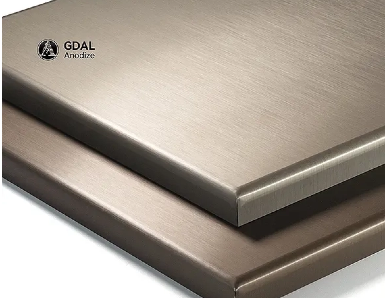
Brushed finishes have a subtle texture created by fine parallel lines or strokes, giving a sophisticated, industrial look. This finish is popular for kitchen appliances, hardware, and furniture. Painting over brushed anodized aluminum requires care to maintain the texture’s visual effect. Directional painting or spray application that follows the grain helps preserve the brushed pattern. Avoid heavy paint buildup, which can fill in the texture and reduce the brushed appearance.
Textured Finish Challenges and Solutions
Textured anodized aluminum surfaces feature patterns, embossing, or rough finishes for added depth and grip. Painting these can be tricky because paint tends to pool in recessed areas, causing uneven coverage. Spray painting is the best method to ensure even paint distribution without disturbing the texture. Multiple light coats are preferable to heavy single coats. Using flexible paints can help the finish resist cracking on textured surfaces.
Choosing the Right Finish for Your Project
Selecting the right finish depends on your project’s function, style, and environment. Matte finishes suit subtle, low-glare needs; glossy finishes highlight style and color vibrancy; brushed finishes add texture and sophistication; textured finishes offer grip and visual interest. Consider maintenance requirements and durability alongside aesthetics. Proper surface prep and paint choice tailored to the finish type ensure a long-lasting, professional result.
Tip: For textured or brushed anodized aluminum, use spray application and multiple thin coats to preserve surface details and achieve uniform coverage.
Common Mistakes and Tips for Painting Anodized Aluminum
")
Painting anodized aluminum can be tricky. Even with the right materials and preparation, mistakes happen. Avoiding these common errors can save you time, money, and frustration.
Skipping Primer and Its Consequences
Primer is the foundation for paint adhesion on anodized aluminum. Skipping primer almost always leads to peeling or flaking paint. The anodized surface is slick and non-porous, so paint needs a primer that bonds chemically to it. Without primer, the paint sits on top and doesn’t stick well, causing it to chip or peel quickly. Always apply a self-etching or epoxy primer designed for metal surfaces before painting.
Applying Thick Coats vs Multiple Thin Coats
Applying thick paint coats is a common mistake. Thick layers take longer to dry and can run, drip, or form bubbles. They also tend to crack or peel as they cure unevenly. Instead, apply several thin coats, allowing each to dry fully before adding the next. Thin coats build up a smooth, durable finish that lasts longer and looks more professional.
Inadequate Surface Cleaning
Even tiny amounts of oil, dust, or residue can ruin paint adhesion. Failing to clean the anodized aluminum thoroughly before sanding and priming causes paint to lift or bubble. Use a mild detergent or degreaser, rinse well, and dry completely. After sanding, wipe the surface with a tack cloth to remove dust. Never skip cleaning steps.
Ignoring Curing Times
Rushing the drying and curing process is another big mistake. Paint needs time to bond and harden fully. Handling or exposing the surface to moisture too soon can cause the paint to peel or scratch. Follow the manufacturer’s recommended curing times carefully, often 24 to 48 hours or more, depending on the paint type and environmental conditions.
Painting in Unsuitable Environmental Conditions
Painting in extreme temperatures, high humidity, or dusty environments can damage the finish. Cold weather slows drying, leading to poor adhesion. High humidity causes moisture to get trapped in the paint, resulting in bubbles or blisters. Dust and debris settle on wet paint, creating rough surfaces. Aim to paint in clean, dry conditions between 50°F and 85°F (10°C to 29°C) for best results.
Tip: Always use a metal-specific primer and apply multiple thin coats, allowing each to dry fully, to prevent peeling and ensure a smooth, durable finish on anodized aluminum.
Maintenance and Longevity of Painted Anodized Aluminum
Once you've painted anodized aluminum, keeping it looking great and lasting long takes some care. Painted anodized aluminum can maintain its finish for years if you follow a few simple maintenance steps.
Proper Cleaning Techniques to Preserve Paint
Clean the painted surface gently using mild soap and water. Avoid harsh chemicals or abrasive scrubbers that can scratch or wear down the paint. Use a soft cloth or sponge to wipe the area. Rinse with clean water and dry with a soft towel to prevent water spots. For outdoor items, regular cleaning helps remove dirt, salt, and pollutants that could damage the paint over time.
Regular Inspections and Touch-Ups
Check your painted anodized aluminum regularly for chips, scratches, or peeling paint. Early detection allows you to touch up small damaged areas before they worsen. Use matching anodized aluminum paint for touch-ups. Lightly sand the damaged spot, clean it, apply primer if needed, and then paint. This routine keeps the surface protected and looking fresh.
Protecting Painted Anodized Aluminum from Environmental Damage
Environmental factors like UV rays, moisture, salt air, and pollution can degrade paint. Applying a clear protective coating can shield the paint from UV fading and scratches, especially on outdoor surfaces. For coastal or high-humidity areas, rinse painted surfaces occasionally with fresh water to remove salt deposits. Avoid exposing the painted aluminum to harsh chemicals or solvents.
Expected Lifespan of Painted Anodized Aluminum Surfaces
With proper preparation, painting, and maintenance, painted anodized aluminum can last 5 to 10 years or more. Indoor applications usually have longer lifespans due to less exposure to weather and abrasion. Outdoor painted surfaces may require more frequent touch-ups and protective coatings to maintain durability. Regular care extends the life and appearance of the painted finish.
Tip: Schedule routine cleaning and inspections of painted anodized aluminum to catch damage early and prolong the finish’s lifespan.
Alternatives to Painting Anodized Aluminum
When painting anodized aluminum isn't the best fit, several alternatives can restore or enhance the surface effectively. These options often provide longer-lasting protection or unique finishes without the challenges of paint adhesion.
Re-anodizing for Surface Restoration
Re-anodizing involves stripping the existing anodized layer and applying a new oxide coating. This process restores the aluminum’s protective barrier and can refresh its appearance with a uniform, durable finish. Re-anodizing offers excellent corrosion resistance and wear protection, often outperforming paint in longevity.This method is ideal when the anodized surface is severely damaged, scratched, or faded beyond repair. It also maintains the aluminum’s natural metallic look or allows for new color dyes to be absorbed into the porous anodic layer. However, re-anodizing requires specialized equipment and is generally done by professionals. It can be costlier and more time-consuming than painting but provides unmatched durability.
Powder Coating Advantages and Considerations
Powder coating is a popular finishing alternative that applies dry powder electrostatically to the aluminum surface, then cures it under heat. This creates a tough, uniform coating that is highly resistant to chipping, scratching, fading, and corrosion.Powder coating offers several advantages over traditional painting:
Durability: It forms a thicker, harder layer that withstands harsh environments.
Environmental Benefits: It emits fewer volatile organic compounds (VOCs) compared to liquid paints.
Variety: Available in many colors and textures, including matte, gloss, and textured finishes.
However, powder coating requires professional application and curing ovens, making it less suited for DIY projects. Also, the heat curing process may affect the aluminum’s properties if not properly controlled. Despite these considerations, powder coating is a preferred choice for industrial, automotive, and architectural applications needing long-lasting finishes.
Vinyl Wrapping as a Non-Permanent Option
Vinyl wrapping involves applying a thin, adhesive vinyl film over the anodized aluminum surface. This method offers a non-permanent way to change color, add patterns, or protect the metal without altering the original finish.Advantages of vinyl wrapping include:
Reversibility: Easy to remove or replace without damaging the anodized layer.
Customization: Wide range of colors, textures, and designs available.
Protection: Shields the surface from minor scratches and UV exposure.
Vinyl wraps are popular in automotive trim customization, signage, and temporary architectural features. They require careful surface cleaning before application for best adhesion and must be maintained to prevent peeling or bubbling over time. While not as durable as paint or powder coating, vinyl wraps offer a flexible, cost-effective alternative for short to medium-term projects.
Tip: Consider re-anodizing for the most durable finish, powder coating for tough, colorful protection, or vinyl wrapping for temporary customization when painting anodized aluminum isn’t ideal.
Conclusion
Painting anodized aluminum is possible but requires careful preparation and the right materials for success. Proper cleaning, sanding, and using specialized primers and paints ensure strong adhesion and durability. Applying multiple thin coats and allowing adequate curing time helps achieve a professional finish. For the best results, choose products designed specifically for anodized surfaces. Guangdong Anlv New Material Co., Ltd. offers high-quality solutions that enhance paint adhesion and provide lasting protection, adding great value to your anodized aluminum projects.
FAQ
Q: What is anodized aluminum?
A: Anodized aluminum is aluminum treated with an electrochemical process that creates a hard, protective oxide layer on its surface, enhancing corrosion resistance and durability.
Q: Why is painting anodized aluminum challenging?
A: The smooth, non-porous oxide layer on anodized aluminum resists paint adhesion, causing paint to peel or chip without proper surface preparation and priming.
Q: How do you prepare anodized aluminum for painting?
A: Clean thoroughly, lightly sand to create texture, and apply a self-etching or epoxy primer designed for anodized aluminum before painting.
Q: What types of paint work best on anodized aluminum?
A: Specialized anodized aluminum paints, epoxy-based paints for durability, and spray paints designed for metal surfaces work best.
Q: Can painted anodized aluminum last outdoors?
A: Yes, with proper preparation, primer, paint selection, and maintenance, painted anodized aluminum can last 5 to 10 years outdoors.
Q: Are there alternatives to painting anodized aluminum?
A: Yes, options include re-anodizing, powder coating, and vinyl wrapping for different durability and aesthetic needs.