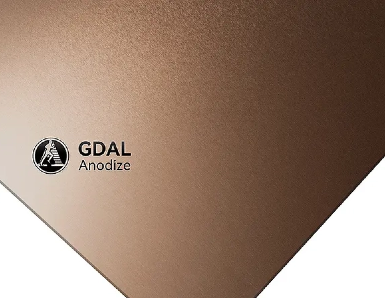
Anodized aluminum is a material used extensively across industries due to its enhanced durability, corrosion resistance, and aesthetic appeal. The anodizing process, which thickens the natural oxide layer of aluminum, provides increased protection and allows for various color finishes. However, to ensure the material's consistency and quality, compliance with industry standards is crucial.
These compliance standards govern various aspects of anodized aluminum, such as surface finish, thickness, color retention, corrosion resistance, and durability. They ensure that anodized aluminum meets performance criteria and regulatory requirements for different applications, from architecture and automotive to aerospace and electronics.
In this article, we will explore the anodized aluminum compliance standards and why they are essential for the industry. We will also discuss the impact of these standards on the manufacturing process, product quality, and market competitiveness.
What is Anodized Aluminum?
Anodized aluminum is created through an electrochemical process that enhances the natural oxide layer on aluminum. This layer provides additional protection against environmental factors such as moisture, chemicals, and UV radiation. The process also allows for the creation of colored finishes through the incorporation of dyes into the oxide layer.
The resulting anodized aluminum is more resistant to scratches, corrosion, and fading than untreated aluminum, making it ideal for use in harsh environments. It is commonly used in a wide range of applications, including building facades, automotive parts, electrical enclosures, and cookware.
Why Anodized Aluminum Needs Compliance Standards
The demand for anodized aluminum continues to grow as industries seek more durable, versatile, and sustainable materials. With the increasing use of anodized aluminum in critical applications such as aerospace and automotive, compliance with established standards is vital for ensuring the material’s quality, consistency, and performance. These standards help manufacturers meet both regulatory requirements and customer expectations, guaranteeing that anodized aluminum will perform as needed in a variety of environments.
Key Anodized Aluminum Compliance Standards
Several standards govern the quality and performance of anodized aluminum, with the most prominent being those established by organizations such as ASTM International and ISO. These standards provide guidelines for manufacturing, testing, and applying anodized aluminum to ensure consistency, durability, and safety.
1. ASTM B580 – Standard Practice for Anodizing Aluminum and Aluminum Alloys
ASTM B580 is one of the key standards that outlines the process for anodizing aluminum and aluminum alloys. It defines the parameters for anodizing thickness, electrolyte composition, and voltage used in the anodizing bath. This standard is crucial for manufacturers to ensure that anodized aluminum has the necessary properties for corrosion resistance and aesthetic appeal.
Key Features:
Specifies the anodizing process for aluminum and its alloys.
Provides guidelines for the quality control of the anodizing process.
Includes recommendations on temperature, voltage, and the number of anodizing cycles.
Benefits:
Ensures consistent anodizing quality across batches.
Provides manufacturers with a clear framework for optimal anodizing results.
Guarantees that anodized aluminum meets corrosion resistance and surface finish standards.
2. ASTM B921 – Standard Guide for Anodizing Aluminum for Architectural Applications
ASTM B921 is a standard specifically designed for anodizing aluminum used in architectural applications. It provides detailed guidelines for the anodizing of aluminum components used in construction, such as building facades, window frames, and doors. This standard focuses on ensuring that anodized aluminum meets the stringent durability and aesthetic requirements for architectural applications.
Key Features:
Guidelines for anodizing aluminum used in architectural systems.
Emphasizes color control, corrosion resistance, and aesthetic finishes.
Specifies the appropriate thickness for anodized coatings in architectural environments.
Benefits:
Ensures long-lasting and visually consistent anodized finishes for architectural elements.
Provides guidelines for achieving the desired color and appearance of anodized aluminum.
Enhances the longevity of architectural products exposed to outdoor conditions.
3. ISO 7599 – Anodizing of Aluminum and Its Alloys
ISO 7599 is an international standard for anodizing aluminum and its alloys. It covers the anodizing process, including the preparation of aluminum surfaces, the anodizing bath conditions, and the testing methods for anodized coatings. ISO 7599 is used worldwide, particularly in industries that require high-performance anodized aluminum, such as aerospace and electronics.
Key Features:
Specifies the anodizing process, including the treatment conditions.
Covers tests for the durability and corrosion resistance of anodized coatings.
Provides guidelines for the proper surface preparation of aluminum.
Benefits:
Facilitates global consistency in anodizing practices and quality control.
Helps manufacturers meet international standards for anodized aluminum products.
Improves the performance and reliability of anodized aluminum in high-demand environments.
4. ASTM B137 – Standard Specification for Anodized Aluminum
ASTM B137 is a specification standard that defines the requirements for anodized aluminum products, including coating thickness, color retention, and corrosion resistance. It provides a clear set of rules for manufacturers to follow to ensure that anodized aluminum products meet necessary quality standards, especially for commercial and industrial applications.
Key Features:
Specifications for anodizing thickness, surface finish, and corrosion resistance.
Includes guidelines for color consistency and retention of anodized finishes.
Covers the mechanical properties of anodized coatings.
Benefits:
Guarantees that anodized aluminum products will perform to high standards.
Ensures color and finish consistency across different applications.
Provides a quality assurance framework for manufacturers and customers alike.
5. ASTM D2244 – Standard Practice for Calculation of Color Tolerances in Master Color Specimens
ASTM D2244 is focused on color tolerance, an essential aspect of anodized aluminum products, especially in architectural and consumer applications. This standard provides methods for calculating color tolerances to ensure that anodized aluminum products maintain a consistent and uniform color over time.
Key Features:
Provides methods for calculating and measuring color tolerance.
Helps manufacturers maintain consistent color quality for anodized aluminum.
Ensures that anodized aluminum finishes meet specific color requirements.
Benefits:
Guarantees consistent color appearance in anodized aluminum products.
Improves customer satisfaction by ensuring aesthetic consistency.
Helps manufacturers meet color specifications for architectural and design applications.
")
Importance of Anodized Aluminum Compliance Standards
The importance of adhering to anodized aluminum compliance standards cannot be overstated. These standards help ensure that anodized aluminum meets the required performance specifications, such as corrosion resistance, surface hardness, and color retention. By following these standards, manufacturers can produce products that are reliable, durable, and aesthetically consistent. This is especially critical in industries where aluminum products are exposed to harsh environments, such as aerospace, automotive, and construction.
Adherence to these standards also promotes international trade by ensuring that products meet globally recognized quality benchmarks. For industries that export anodized aluminum, compliance with these standards is crucial for meeting regulatory requirements in different markets.
Standard | Description | Application | Key Focus Areas |
ASTM B580 | Standard Practice for Anodizing Aluminum | General Anodizing Process | Process, Voltage, Bath |
ASTM B921 | Guide for Anodizing for Architectural Use | Architecture | Color Control, Corrosion |
ASTM B137 | Specification for Anodized Aluminum | Quality Control | Thickness, Surface Finish |
ISO 7599 | Anodizing of Aluminum and Its Alloys | Aerospace, Electronics | Durability, Coating Tests |
ASTM D2244 | Calculation of Color Tolerances | Decorative, Architectural | Color Consistency |
Conclusion
Anodized aluminum is a material that is used in a wide range of industries, from construction and automotive to aerospace and electronics. Ensuring that anodized aluminum meets the required performance and quality standards is essential for achieving the desired durability, aesthetics, and functionality. The ASTM and ISO standards for anodized aluminum provide manufacturers with clear guidelines for producing high-quality anodized products that meet these performance requirements.
For manufacturers and industries that rely on anodized aluminum, adhering to these standards is crucial for maintaining product quality, ensuring customer satisfaction, and complying with regulatory requirements. If you are looking for high-quality anodized aluminum products that meet the highest industry standards, consider reaching out to Guangdong Anlv New Material Co., Ltd. Their commitment to producing superior anodized aluminum ensures that your products will perform reliably and meet the most stringent industry standards.
FAQ
Q: What is anodized aluminum?
A: Anodized aluminum is aluminum that has been treated through an electrochemical process to increase its natural oxide layer, improving its corrosion resistance, durability, and appearance.
Q: Why are ASTM standards important for anodized aluminum?
A: ASTM standards ensure that anodized aluminum products meet consistent quality benchmarks, including durability, corrosion resistance, and color retention, which are critical for industrial applications.
Q: How do ASTM B580 and ASTM B137 differ in their focus?
A: ASTM B580 focuses on the anodizing process itself, while ASTM B137 specifies the requirements for anodized aluminum products, including coating thickness and color retention.
Q: How does anodizing improve aluminum's performance?
A: Anodizing enhances aluminum's corrosion resistance, surface hardness, and wear resistance, making it more durable and suitable for use in harsh environments such as aerospace and marine applications.