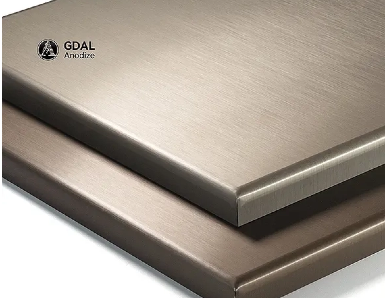
Anodized aluminum is widely used across industries due to its superior durability, corrosion resistance, and aesthetic qualities. The anodizing process enhances the natural oxide layer of aluminum, making it more resistant to wear, weather, and chemical reactions. To ensure the consistency and quality of anodized aluminum products, various standards have been established. Among these, the ASTM standards are the most widely recognized, setting the benchmark for the quality and performance of anodized aluminum in commercial and industrial applications.
In this article, we will explore the ASTM standards for anodized aluminum, including their role in material quality, the types of tests that ensure its properties, and the practical benefits they provide for industries such as aerospace, automotive, architecture, and electronics.
What is Anodized Aluminum?
Anodizing is an electrochemical process that thickens the natural oxide layer on aluminum surfaces. This process increases the material's resistance to corrosion, enhances its surface hardness, and allows for a variety of aesthetic finishes.
Anodized aluminum is highly versatile, with applications ranging from architectural panels and automotive parts to electronic enclosures and cookware. Its increased durability and resistance to the elements make it particularly useful in harsh environments, such as marine, aerospace, and construction applications.
How Anodizing Works
The anodizing process involves immersing aluminum into an electrolytic solution, where an electric current is passed through the metal. This current creates an oxide layer that is both hard and resistant to corrosion. The thickness and quality of the oxide layer depend on factors such as voltage, time, and the composition of the electrolyte.
ASTM Standards for Anodized Aluminum
The ASTM International (formerly known as the American Society for Testing and Materials) is a globally recognized body that sets the standards for materials, products, systems, and services. These standards help ensure that anodized aluminum meets consistent quality benchmarks for performance and safety across different applications.
Key ASTM Standards for Anodized Aluminum
The following ASTM standards provide guidelines for the testing, quality control, and performance of anodized aluminum:
1. ASTM B580 – Standard Practice for Anodizing Aluminum and Aluminum Alloys
This standard provides general guidelines for anodizing aluminum, including recommendations on the anodizing process, treatment methods, and essential steps in ensuring high-quality finishes. It addresses factors such as electrolyte composition, voltage, temperature, and the number of cycles for anodizing.
Key Focus Areas:
Recommendations for anodizing aluminum and its alloys.
Guidelines for the electrolytic bath and current density.
Process optimization for best results.
Benefits:
2. ASTM B921 – Standard Guide for Anodizing Aluminum for Architectural Applications
This standard focuses specifically on anodizing aluminum for architectural use. It includes detailed instructions on thickness, color control, corrosion resistance, and how to handle the material during and after anodizing.
Key Focus Areas:
Specifications for anodized finishes used in construction and architecture.
Thickness and color tolerances.
Durability and performance testing in architectural applications.
Benefits:
3. ASTM B137 – Standard Specification for Anodized Aluminum
ASTM B137 specifies the general requirements for anodized aluminum products, including coating thickness, color retention, and corrosion resistance. It defines the specifications for aluminum alloys, primarily focusing on the coating’s durability and appearance.
Key Focus Areas:
Quality control measures for anodized aluminum coatings.
Durability testing for color retention and corrosion resistance.
Recommended standards for coating thickness and surface finish.
Benefits:
Assures manufacturers that anodized aluminum products will have the necessary mechanical and aesthetic properties.
Provides guidelines for controlling surface defects, scratches, and imperfections.
4. ASTM B317 – Standard Test Method for Corrosion Resistance of Anodized Aluminum
This standard is critical for testing the corrosion resistance of anodized aluminum products. It includes guidelines on conducting salt spray tests to simulate harsh environmental conditions. This test is essential for industries that require aluminum to withstand exposure to elements like saltwater or chemicals.
Key Focus Areas:
Testing anodized aluminum for corrosion resistance.
Salt spray testing methods to simulate real-world exposure to environmental stressors.
Guidelines for evaluating the effectiveness of anodized coatings.
Benefits:
5. ASTM D2244 – Standard Practice for Calculation of Color Tolerances in Master Color Specimens
While not exclusive to anodized aluminum, this standard defines the calculation methods for color tolerances, which is crucial for anodized aluminum products that require a specific color finish. It is especially important for architectural and consumer-facing products.
Key Focus Areas:
Benefits:
")
Benefits of Adhering to ASTM Standards for Anodized Aluminum
Adhering to ASTM standards provides numerous benefits for manufacturers, designers, and industries that rely on anodized aluminum:
1. Improved Quality Control
By following ASTM guidelines, manufacturers can ensure that anodized aluminum products meet consistent quality standards. This leads to improved product reliability and reduces defects such as poor surface finishes or inconsistent coating thickness.
2. Enhanced Durability and Longevity
ASTM standards focus on ensuring the anodized aluminum performs well under harsh environmental conditions, which is particularly important for industries like aerospace and marine. The standards help manufacturers optimize anodizing processes to maximize corrosion resistance, wear resistance, and overall product lifespan.
3. Increased Customer Confidence
Products manufactured according to ASTM standards provide assurance to customers that the anodized aluminum will perform as expected. Whether for architectural applications or high-tech machinery, customers can trust that the materials will meet strict durability, aesthetic, and performance requirements.
4. Compliance with Industry Regulations
Many industries have stringent regulations regarding the materials used in construction, aerospace, automotive, and electronics. Following ASTM standards helps companies stay compliant with these regulations and ensures that products meet the necessary safety and performance benchmarks.
How ASTM Standards Impact the Anodizing Process
The anodizing process itself is greatly influenced by ASTM standards, as they provide clear guidelines on the various aspects of anodizing that affect the final product. The following are a few ways ASTM standards directly impact the anodizing process:
1. Control Over Coating Thickness
ASTM standards set clear specifications for the thickness of the anodized layer, which is crucial for ensuring the material’s durability and resistance to corrosion. Properly controlled coating thickness helps avoid both under-coating (which may result in insufficient protection) and over-coating (which may compromise surface aesthetics).
2. Corrosion Resistance Testing
ASTM corrosion tests (e.g., ASTM B317) help assess the ability of anodized aluminum to withstand exposure to extreme environmental conditions, such as saltwater or acidic environments. These tests are crucial in industries like aerospace, marine, and automotive where components are exposed to such harsh conditions.
3. Color Consistency
Color retention is a critical aspect of anodized aluminum, particularly for decorative and architectural uses. ASTM standards such as ASTM D2244 help ensure that anodized aluminum products maintain a consistent, high-quality finish over time.
Standard | Description | Application | Key Focus Areas |
ASTM B580 | Standard Practice for Anodizing Aluminum | General Anodizing Process | Process, Voltage, Bath |
ASTM B921 | Guide for Anodizing for Architectural Use | Architecture | Color Control, Corrosion |
ASTM B137 | Specification for Anodized Aluminum | Quality Control | Thickness, Surface Finish |
ASTM B317 | Test Method for Corrosion Resistance | Aerospace, Marine, Automotive | Salt Spray Testing |
ASTM D2244 | Calculation of Color Tolerances | Decorative, Architectural | Color Consistency |
Conclusion
ASTM standards play a critical role in ensuring the quality, performance, and reliability of anodized aluminum across various industries. Whether it's for enhancing corrosion resistance, achieving precise color finishes, or controlling coating thickness, these standards guide manufacturers in producing high-quality anodized products that meet customer expectations and regulatory requirements.
For industries relying on anodized aluminum, following ASTM standards is essential for maintaining product quality, performance, and longevity. If you want to explore more about high-quality anodized aluminum materials, consider reaching out to Guangdong Anlv New Material Co., Ltd. Their commitment to manufacturing high-performance anodized aluminum products ensures that your projects meet the highest industry standards.
FAQ
Q: What is anodized aluminum?
A: Anodized aluminum is aluminum that has undergone an electrochemical process to increase its natural oxide layer, making it more durable, corrosion-resistant, and aesthetically pleasing.
Q: Why are ASTM standards important for anodized aluminum?
A: ASTM standards ensure that anodized aluminum products meet consistent quality benchmarks, including durability, corrosion resistance, and aesthetic quality, crucial for industries like aerospace and architecture.
Q: How does ASTM B317 test anodized aluminum?
A: ASTM B317 tests the corrosion resistance of anodized aluminum by subjecting it to salt spray testing, simulating exposure to harsh environmental conditions.
Q: How can I ensure color consistency in anodized aluminum?
A: ASTM D2244 provides guidelines for measuring and calculating color tolerances, helping manufacturers achieve consistent color finishes in anodized aluminum products.