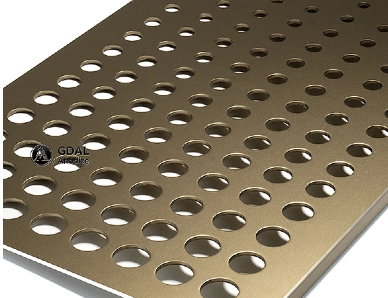
Anodizing is one of the most popular surface treatments for aluminum, providing a durable, corrosion-resistant finish. It enhances the metal's appearance, ensuring that it lasts longer and maintains its appeal even in harsh environments. While clear anodized aluminum is commonly known for its transparent finish that preserves the metal's natural color, anodizing can also be used to create a wide range of colors. This guide will explore anodized aluminum colors, the benefits of each, the anodizing process, and the various applications of anodized aluminum. Whether you are in construction, manufacturing, or a DIY enthusiast, this guide will help you understand the nuances of anodizing and color selection.
What is Anodized Aluminum?
Anodizing is an electrochemical process that changes the aluminum’s surface, forming a thick oxide layer. This layer is hard, transparent, and durable, giving the material a range of protective and aesthetic benefits. Anodizing also allows aluminum to absorb various dyes, which is why anodized aluminum is available in a variety of colors.
Unlike paint or powder coating, anodizing does not add a layer to the surface. Instead, the oxide layer becomes part of the aluminum, making it more resistant to scratches, corrosion, and fading. This also ensures that the color will not peel or chip off, as it would with other finishes.
Anodizing can be done in various colors by using organic or inorganic dyes that penetrate the anodized layer and bond with the aluminum. This opens up the possibility for a wide range of vibrant, long-lasting colors.
Benefits of Anodized Aluminum Colors
The primary benefit of anodized aluminum is its ability to combine aesthetics with function. The anodizing process offers several advantages that make it the ideal finish for both industrial and consumer products:
1. Durability
Anodized aluminum is highly durable. The anodized layer is much thicker than the natural oxide layer on untreated aluminum, providing superior scratch and abrasion resistance. This makes anodized aluminum suitable for high-traffic areas, such as architectural facades, automotive parts, and consumer electronics.
2. Corrosion Resistance
Anodized aluminum is more resistant to corrosion than untreated aluminum. The oxide layer protects the aluminum from moisture, salts, and other corrosive elements, making it ideal for applications in harsh environments. It is often used in marine and outdoor settings for this reason.
3. Vibrant Color Options
Anodizing allows for a wide range of color possibilities. Whether you're looking for a subtle matte finish or a vibrant, metallic appearance, anodizing can deliver the exact color you need. The dyeing process used in anodizing results in rich, long-lasting colors that will not fade or peel.
4. Environmentally Friendly
Anodizing is an eco-friendly process because it does not use harmful chemicals or produce hazardous by-products. The process uses sulfuric acid and electricity, and the anodized aluminum is fully recyclable, making it a sustainable choice for both manufacturing and disposal.
5. Improved Aesthetic Appeal
Anodizing provides a unique finish that enhances the natural beauty of aluminum. The metallic sheen of anodized aluminum is visually appealing and is often used for high-end products, such as smartphones, tablets, and luxury automobiles.
Types of Anodized Aluminum Colors
The color options available with anodized aluminum are extensive, ranging from subtle metallic hues to bright, vibrant colors. The exact color of anodized aluminum depends on several factors, including the anodizing process, the dye used, and the thickness of the oxide layer. Below are some of the most common colors and their applications.
1. Clear Anodized Aluminum
Clear anodizing creates a transparent finish that preserves the aluminum’s natural metallic appearance. This is the most common anodized aluminum color, used in a variety of applications where the natural color of the aluminum is preferred, such as in architectural components, consumer electronics, and automotive trim.
2. Black Anodized Aluminum
Black anodized aluminum is one of the most popular colors for anodizing, particularly in industries such as aerospace and automotive. The color is achieved using organic dyes or a process called "integral coloring," where the black color is created by controlling the thickness of the anodized layer. Black anodized aluminum offers excellent corrosion resistance and is highly durable, making it ideal for outdoor and industrial applications.
3. Bronze Anodized Aluminum
Bronze anodizing is achieved by using organic dyes to create a warm, brownish-gold color on the aluminum surface. This color is often used in architectural and interior design applications, such as window frames, door handles, and trim. The bronze finish adds a sophisticated, upscale appearance to aluminum products.
4. Gold Anodized Aluminum
Gold anodized aluminum is another popular option for applications where a luxurious or high-end finish is desired. Gold anodizing is achieved by using special dyes or controlling the anodizing process. It is often used in decorative products, jewelry, and architectural finishes. The color offers a rich, metallic appearance that makes it ideal for items that need to stand out.
5. Red and Blue Anodized Aluminum
Red and blue anodized aluminum can be achieved by using organic dyes that bond with the aluminum during the anodizing process. These colors are often used for decorative purposes in consumer products, such as furniture, automotive parts, and sports equipment. While vibrant, these colors are generally less durable than darker anodized colors and may fade over time if exposed to intense sunlight or harsh environments.
6. Green Anodized Aluminum
Green anodized aluminum is a popular color for architectural applications, particularly in environmentally focused projects. It can also be used for outdoor products such as park furniture, signage, and other items where the color needs to complement the natural surroundings.

The Anodizing Process for Coloring Aluminum
The anodizing process for coloring aluminum involves several key steps that ensure the oxide layer bonds with the dye, creating a long-lasting finish. Below is a simplified overview of how anodized aluminum colors are achieved:
Step | Description |
Step 1: Cleaning the Aluminum | The aluminum is thoroughly cleaned to remove any dirt, grease, or oil that could interfere with the anodizing process. |
Step 2: Anodizing | The aluminum is submerged in an electrolyte bath, typically sulfuric acid, and an electric current is passed through the solution to create the oxide layer. |
Step 3: Dying | After anodizing, the aluminum is immersed in a dye solution, where the dye permeates the porous anodized layer. The color bonds with the oxide layer. |
Step 4: Sealing | The anodized and dyed aluminum is then sealed, typically by boiling in distilled water. This step locks in the dye, enhancing the color's durability. |
The anodizing process ensures that the color becomes an integral part of the aluminum surface, making it resistant to fading, peeling, or chipping. The result is a vibrant, long-lasting finish that is both functional and aesthetically pleasing.
Applications of Anodized Aluminum Colors
Anodized aluminum is used in a wide range of industries and applications. The ability to create colors that are both vibrant and durable makes anodized aluminum ideal for both functional and decorative purposes.
Industry | Common Applications | Preferred Color |
Architecture | Window frames, building facades, trim, railings | Clear, Black, Bronze, Gold |
Consumer Electronics | Smartphone housings, tablet enclosures, laptop frames | Clear, Black, Silver |
Automotive | Trim, wheels, engine components, bumpers | Black, Silver, Gold |
Aerospace | Aircraft components, structural parts, brackets | Black, Clear |
Furniture and Decor | Decorative panels, lighting fixtures, furniture trim | Bronze, Gold, Red, Blue |
The versatility of anodized aluminum colors ensures that it can be used in a wide range of applications, from high-performance industrial components to aesthetically pleasing design elements.
Conclusion
Anodized aluminum colors offer a combination of aesthetics and performance, making it an ideal solution for both functional and decorative products. Whether you're looking for a sleek, natural finish with clear anodizing or a vibrant, high-end look with gold or red anodizing, the possibilities are endless. With its durability, corrosion resistance, and wide range of color options, anodized aluminum is the material of choice for many industries, from architecture and automotive to consumer electronics and furniture.
For more information on anodized aluminum colors and to explore high-quality products and expert advice, we recommend contacting Guangdong Anlv New Material Co., Ltd., a leading provider of anodized aluminum solutions.
FAQ
Q: What is the difference between clear anodizing and colored anodizing?
A: Clear anodizing preserves the natural appearance of aluminum, while colored anodizing involves adding dyes to the anodized layer, creating a range of colors, such as black, gold, and bronze.
Q: How long does anodized aluminum color last?
A: Anodized aluminum colors are highly durable and resistant to fading, peeling, and scratching. With proper care, the color can last for many years, even in outdoor or high-traffic environments.
Q: Can I anodize aluminum at home?
A: Yes, anodizing aluminum at home is possible, although it requires specific equipment, including sulfuric acid, a power supply, and safety precautions. DIY anodizing can yield great results but may require practice.
Q: Is anodized aluminum environmentally friendly?
A: Yes, anodizing is an environmentally friendly process. It uses non-toxic materials and the anodized aluminum itself is fully recyclable, making it a sustainable choice for a wide range of applications.