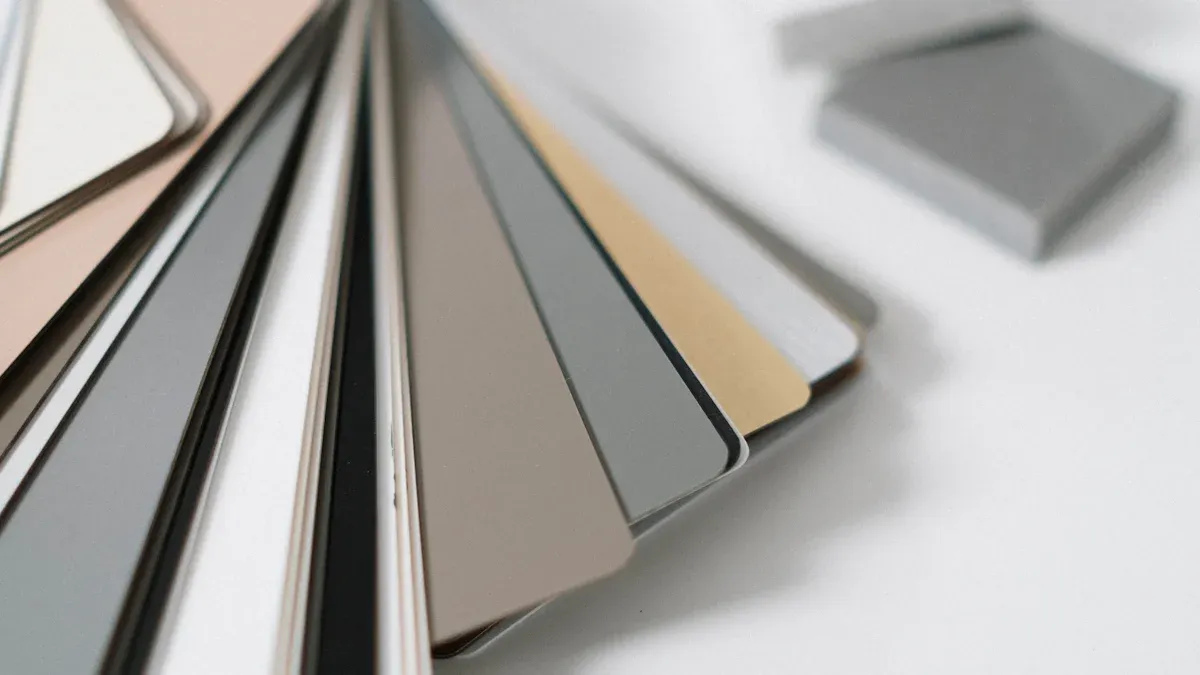
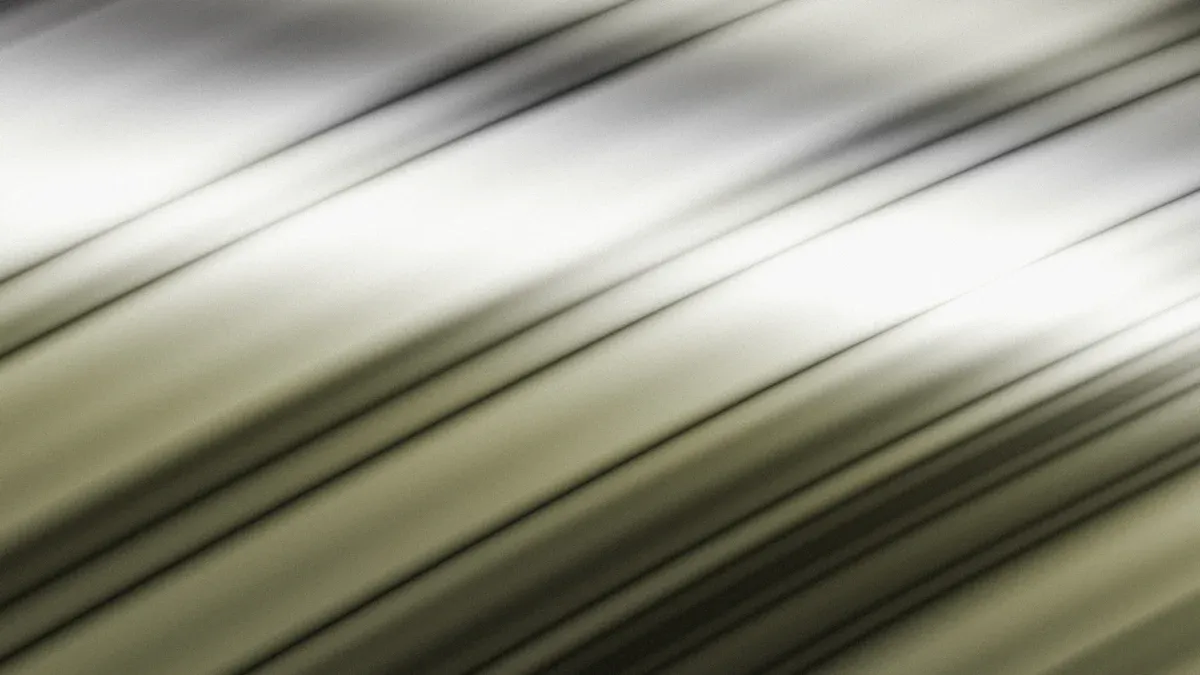
You may see that clear anodized aluminum does not always look the same. The way it looks changes because of the alloy mix, process steps, and how you look at the surface. Sometimes, you notice different shades or
color variations. These changes are important for building projects and electronics. The surface finish also changes how clear anodized aluminum looks.
Color variations can happen when you change direction or light.
Anlv uses special methods to help control shades and keep the look the same.
Key Takeaways
Clear anodized aluminum can look different in color and shade. This happens because of the alloy mix, process steps, and surface finish.
To make things look the same, pick the same alloy and finish each time. This helps stop color changes.
Good surface prep and careful process control are very important. They help stop unwanted color changes in anodized aluminum.
When you order anodized aluminum, tell your supplier what you need. Say what alloy type, mechanical finish, and look you want.
Anlv's anodized aluminum products are strong and have a smooth finish. They work well for many uses in building and electronics.
Clear Anodized Aluminum Overview
Clear anodized aluminum has a modern, shiny look. Many industries use it, like buildings and electronics. You can also find it in furniture. The clear anodized aluminum process puts a strong layer on the metal. This layer helps the metal stay bright and clean. The finish is tough and looks nice. Anlv makes very good anodized aluminum products. You can count on them for the same great results every time.
Anodized Aluminum Process
You might ask how the clear anodized aluminum process happens. The steps in anodizing change how the finish and color turn out. Here is what happens:
Pre-Treatment: First, you clean and etch the aluminum. This step takes away dirt and gets the surface ready.
Anodizing: Next, you make a porous oxide layer. How thick this layer is changes how deep the color looks.
Coloring Techniques: You can add color with dyes or by using electricity. This step gives you colored anodized aluminum or keeps it clear.
Sealing: Last, you seal the pores to keep the color in and make the finish strong.
Each step in anodizing helps you get a clear anodized aluminum finish that lasts a long time.
Visual Results
When you look at clear anodized aluminum, you see some main things. The finish stays clear and lets the metal shine. You can pick a matte or shiny finish, depending on how you treat it first. The surface feels smooth and looks even. This makes clear anodized aluminum a great choice for many things.
Characteristic | Description |
Finish | Clear, see-through finish that keeps the metal look |
Surface Texture | Matte or shiny, based on how you treat it |
Appearance | Smooth, even, and nice to look at |
You see clear anodized aluminum in window frames and electronic devices. The finish looks modern and keeps the color the same. This matters to architects and designers. Anlv’s anodized aluminum products help you get the look and strength you want.
Color Variations Causes
Alloy Composition
Color changes happen in clear anodized aluminum because the metal mix is different. Alloys like 6063 and 5005 give special results when anodized. The chemicals in each alloy change the final color. Some alloys have more zinc or magnesium, so the shade can change. Recycled aluminum has a mix that can be different each time. This makes more color changes. Recycled aluminum sometimes has extra bits of copper or iron. These can make the color look different from piece to piece.
Factor | Description |
Chemical Composition | Each aluminum alloy reacts differently during anodizing, changing the color outcome. |
Surface Texture | The texture affects how the color appears after anodizing. |
Thickness of Oxide Layer | Alloy composition changes the thickness, which impacts how light interacts with the surface. |
Base Color | The natural color of the alloy influences the final shade after anodizing. |
You see the most color changes when the alloy mix is not steady. Anlv checks the quality and uses good methods to keep the mix the same. This helps you get the same color and look every time.
Process Factors
The steps in the process also change the color. The temperature in the tank changes how thick the oxide layer is. High heat makes thin coatings and lighter colors. The mix in the tank matters too. If you change it, the color can look different. Things like magnesium or silicon in the tank can change the finish. How you set the voltage and timing also changes the color. Machines help keep these settings the same, so there is less change.
Process Variable | Impact on Color Variation |
Temperature | High temperatures create thinner coatings and lighter colors. |
Electrolyte Concentration | Changes the thickness and look of the anodized layer. |
The look of anodized aluminum changes with each step. Anlv uses computers to watch voltage, temperature, and pH. This keeps things steady and helps you get the same color each time.
Surface Finish
The way the aluminum looks before anodizing changes the color after. A polished surface is bright and shiny. A brushed or sandblasted finish is softer and matte. How you clean and polish the surface changes the color and makes it even. Good cleaning and polishing help stop shade differences. Anlv prepares surfaces carefully and controls the process to give you a smooth finish.
Quality Control Measure | Description |
Systematic Process Control | Strict monitoring and adjustment of anodizing steps. |
Proper Surface Preparation | Mechanical polishing and chemical cleaning for even surfaces. |
Optimization of Anodizing Parameters | Adjusting voltage, current, and time for consistent oxide layers. |
Employee Training | Staff follow set procedures for steady results. |
Good surface prep and process control help stop unwanted color changes in clear anodized aluminum. Anlv’s smart systems and trained workers make sure you get the same look every time.
Directional Variation
When you look at anodized aluminum, the shade can change. The brightness also changes based on how you look at it. This is called directional variation. It happens because the surface reacts to light in different ways. Your viewing angle makes the color look different.
Viewing Angle
Where you stand changes how the aluminum looks. Light hitting the surface can make it look bright or dark. If you stand in one spot, the color may look even. If you move, the shade can get lighter or darker. The thickness of the anodic film matters too. The texture of the surface also affects what you see. Weather and time of day change how light reflects. You might see one color in the morning. In the afternoon, it could look different. The alloy mix and surface finish work together to make these changes. Architects and designers care about these effects. They want buildings and products to look the same from every angle.
Tip: To get a uniform look, check samples under the same light. Make sure you look from the same angle as you will in your project.
Grain and Marks
The grain direction in aluminum changes how you see marks. These marks come from how the metal is made before anodizing. The anodizing process makes a hard layer. This layer keeps the grain lines easy to see. You may notice lines or patterns that go in one direction. These lines can change the color when you look from different angles. The thickness of the anodic layer can change along the grain. This causes color changes in different directions.
Grain direction in anodized aluminum changes how you see marks.
Mechanical marks come from the anodizing process and show the grain.
Changes in the process can make color look different along the grain.
Researchers found a strong link between how anodized films look and grain direction. Changes in light intensity match the way grains are lined up. This affects how well the aluminum works and how nice it looks. You should think about grain direction and marks when picking anodized aluminum for your project.
Managing Color Variations
Best Practices
You can control color and shade changes in clear anodized aluminum by using smart steps. These steps help you get a smooth look and the same color every time.
Pick the right alloy and temper for your job. Alloys like 6061 and 6063 work well for clear anodizing. They give you a steady layer.
Use good quality aluminum from the same source. This helps you match color from batch to batch. It keeps the layer even.
Choose the mechanical finish you want. Brushed, polished, or bead-blasted surfaces change how the layer looks. The final finish will look different.
Clean the surface with chemicals and etching. This step makes the layer smooth and even.
Decide what kind of anodic oxide layer you need. Type II is more porous and takes dye well. Type III is thicker and less porous. This changes the color and look.
Make sure you finish all pre-treatment steps. Degreasing and etching get the surface ready. This helps the layer form evenly.
Tip: Always look at samples under the same light and from the same angle. This helps you see how the finish will look in your project.
Specifying Finishes
When you order clear anodized aluminum, you need to give details to get the finish you want. Talk with your supplier about what you expect for the layer and look.
Tell your supplier which alloy you want for your project. The alloy changes the layer and color.
Describe the mechanical finish you need. Machined, brushed, or polished surfaces change how the layer looks.
Ask about the chemical finish used before anodizing. This step changes the layer and the final look.
Talk about the type of anodize layer you want. Type II is good for matching colors. Type III gives a thicker layer and better protection.
Pick the coloring method if you want more than clear anodizing. You can choose electrolytic, dip, integral, or interference coloring.
Make sure your supplier controls temperature, bath time, and chemical levels. Automation helps keep the layer and finish the same.
You can use a table to compare finishing steps and their benefits:
Finishing Process | Description | Benefits |
Mechanical Finishes | Brushing and polishing make the layer look better. | Improves how it looks and the quality. |
Chemical Processes | Anodizing and powder coating protect the layer and make it last longer. | Makes it stronger and stops rust. |
Brushing | Makes fine lines that spread light in a set way. | Gives a special and easy-to-spot look. |
Powder Coating | Adds color and resin for a smooth finish and layer. | Protects from sun and bad weather. |
Note: Always ask for finish samples before you order a lot. This helps you see the layer and look in your project.
Anlv Product Applications
You can use Anlv’s Anodized Aluminum Coil and Plate for many jobs. These products give you a steady clear anodized aluminum finish and a strong layer. You get a smooth look and good results in your projects.
Anlv’s Anodized Aluminum Coil works well for buildings. You can use it for walls, window frames, and curtain walls. The coil gives you a smooth layer and a modern look.
The coil is also good for electronics. You get a clean layer and smooth finish for device cases and LED parts.
Anlv’s Anodized Aluminum Plate fits industrial and decorative jobs. You can use it for outdoor furniture, signs, and car parts. The plate gives you a tough layer and a finish that lasts.
Both coil and plate offer different finishes, like brushed, sandblasted, and mirror. You can pick the finish that fits your design and project.
The layer on Anlv’s products stops scratches and rust. You get a strong finish that stays bright and clean.
Anlv uses smart process control to keep the layer and finish the same. You get the same look and quality every time.
Here are some examples of clear anodized aluminum uses with Anlv products:
A building uses Anlv’s coil for window frames. The clear anodizing finish gives a smooth layer and a bright look.
An electronics company uses Anlv’s plate for device covers. The layer protects the surface and keeps the finish looking new.
An outdoor furniture maker picks Anlv’s brushed plate. The layer stands up to weather and keeps the look fresh.
If you want a strong finish and a tough layer for your project, you can trust Anlv’s anodized aluminum products. You get the same look and long-lasting results.
You notice color and shade changes in clear anodized aluminum. This happens because of the alloy mix, process steps, and surface finish. The way it looks also changes with the angle you look from and the grain direction. To get a steady finish, you should learn about these things. When you pick clear anodized aluminum, think about how thick the coating is. You should also think about the shape of the part, how electricity touches it, masking, and sealing. Always share your anodizing needs and what finish you want. Anlv’s anodizing services help you get the look and finish you need for your project. If you are not sure which one to pick or why clear anodized aluminum is good, ask Anlv for help and advice. With the right aluminum and process, you get the best look and finish every time.
FAQ
What causes color variation in clear anodized aluminum?
Color changes happen because of the alloy mix, process steps, and surface finish. Each part changes how light bounces off the aluminum. You see these changes most when you look at pieces from different batches.
How can you reduce directional shade variation?
You can lower shade changes by picking the same alloy and finish every time. Always look at samples with the same light and from the same angle. Ask your supplier for batches that match so the look stays even.
Is clear anodized aluminum suitable for outdoor use?
Clear anodized aluminum works well outside. The anodized layer keeps it safe from rust and fading. You get a strong finish that lasts in sun and rain.
Can you request custom finishes for anodized aluminum?
You can ask for special finishes like brushed, sandblasted, or mirror. Tell your supplier what you want for your project. You get samples to see how it looks before you buy.
Why should you choose Anlv for anodized aluminum products?
Anlv gives you steady quality and the same finish each time. The company uses smart controls and checks everything carefully. You get help from experts for your design and project needs.