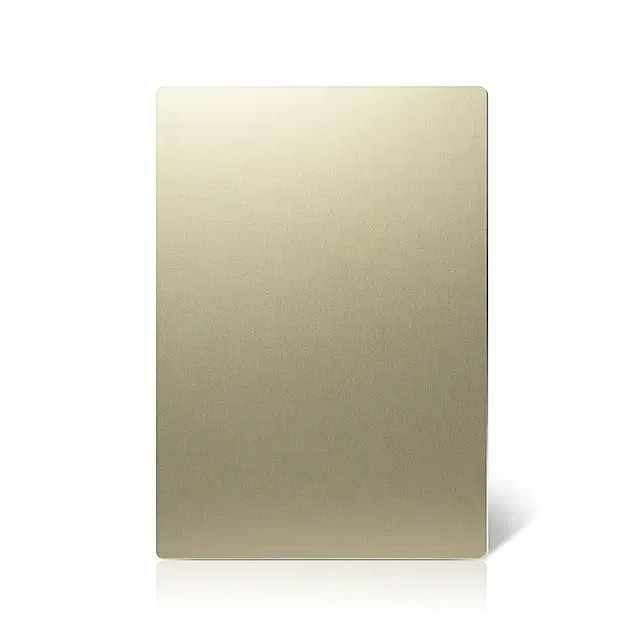
In today’s competitive global environment, sourcing strategies must be informed by accurate, forward-looking market insights. As anodized aluminum becomes an increasingly essential material in sectors like construction, electronics, and transportation, understanding the Global Anodized Aluminium Market trends between 2025 and 2030 is no longer optional—it’s a strategic necessity. By grasping where the anodized aluminium market 2025 is headed, buyers can reduce procurement risks, plan sustainable production pipelines, and unlock more value from their supply chains. At Guangdong Anlv New Material Co., Ltd., we not only produce high-performance anodized aluminum plates and coils but also monitor international trends to help clients stay ahead of the curve.
What Is the Current Market Size and Growth Rate?
Global Market Valuation, CAGR
The global anodized aluminum market is projected to experience strong and steady growth over the next several years. According to recent market analyses, the market was valued at over USD 8 billion in 2024 and is expected to grow at a compound annual growth rate (CAGR) of approximately 6%–8% during the 2025–2030 forecast period.
Several key drivers are fueling this growth:
Infrastructure development in emerging markets across Asia and Africa.
Sustainability mandates that favor recyclable and non-toxic materials.
Technological advancements in anodizing processes that increase performance and cost-effectiveness.
Increased demand for lightweight, corrosion-resistant materials in the automotive and aerospace sectors.
This growth creates a positive market environment for suppliers and buyers alike. For manufacturers like Guangdong Anlv, it presents the opportunity to expand capacity and innovate to serve growing international demand.
Which Industries Drive Demand?
Construction, Electronics, Automotive, Aerospace
The anodized aluminium market 2025 is shaped by a diverse range of industries. Each sector brings unique performance demands that anodized aluminum is particularly well-suited to meet.
Construction: Anodized aluminum is widely used in curtain walls, window frames, building facades, ceilings, and sunshades. Its corrosion resistance, aesthetic appeal, and low maintenance requirements make it a preferred choice for both commercial and residential construction.
Consumer Electronics: Tech companies use anodized aluminum for casings, keyboards, and accessories due to its scratch resistance, sleek finish, and heat dissipation properties. Devices such as smartphones, laptops, and tablets often feature anodized aluminum for both functionality and appearance.
Automotive and Electric Vehicles (EVs): Lightweight materials like aluminum improve fuel efficiency and battery life. Anodized finishes enhance durability and provide insulation for various structural and internal automotive components.
Aerospace: Aerospace applications demand exceptional material strength, precision, and environmental resistance. Anodized aluminum is used for interior panels, brackets, and thermal shielding due to its lightweight yet rugged nature.
As these industries grow and prioritize sustainability, anodized aluminum becomes increasingly central to their material strategies. At Guangdong Anlv, we specialize in producing aluminum plates tailored to these exacting applications.
What Regional Trends Are Emerging?
North America, Europe, Asia-Pacific Growth Centers
Regional dynamics play a crucial role in shaping demand patterns for anodized aluminum products.
North America: The market is driven by high construction standards, aerospace innovation, and green building regulations. U.S. and Canadian industries are adopting hard coat anodizing and recyclable materials to meet both performance and environmental targets.
Europe: With its focus on carbon neutrality and circular economies, Europe continues to favor anodized aluminum in architecture and mobility sectors. European demand is characterized by stringent quality requirements, especially for appearance consistency and lifecycle performance.
Asia-Pacific: The fastest-growing region, led by China, India, Japan, and Southeast Asia. Massive urbanization, smart city projects, and tech manufacturing all contribute to explosive growth. China alone accounts for a significant portion of global anodizing capacity.
At Guangdong Anlv, our production base in Southern China allows us to serve both domestic and global markets efficiently. We offer rapid delivery, technical customization, and scalable production to meet rising regional demands.
What Technological Advances Are Shaping the Market?
Hard Anodizing, Interference Color, Eco-Friendly Seals
Technology continues to evolve in the anodizing sector, creating new possibilities for applications and improving sustainability.
Hard Anodizing (Type III): Produces extremely dense, wear-resistant coatings suitable for aerospace, defense, and mechanical applications. These coatings extend product lifespan and reduce maintenance.
Interference Color Technology: Achieves decorative finishes through light wave manipulation, creating iridescent effects without pigments. This is highly sought after in high-end architecture and designer electronics.
Eco-Friendly Sealing: Traditional sealing methods are being replaced with lower-temperature, water-saving, and chemical-free techniques. These green technologies align with LEED-certified construction projects and governmental regulations.
At Guangdong Anlv, we incorporate these advancements into our anodizing lines. Our eco-friendly sealing systems, for example, reduce emissions and water use while preserving color brilliance and corrosion resistance.
Who Are the Market Leaders & Competitors?
Major Anodizing Service Providers, Verticalized OEMs
The global anodized aluminium market consists of specialized surface treatment companies and integrated manufacturers. The leading players share key characteristics:
Automated production lines that ensure consistency, efficiency, and scalability.
Strong R&D investment into anodizing chemistry, process control, and color technology.
Global logistics and support networks for multinational buyers.
Guangdong Anlv New Material Co., Ltd. positions itself competitively through precision pre-treatment, deep customization capabilities, and vertical integration of manufacturing and service. Whether you're sourcing for high-end architecture or technical applications, our anodized aluminum plates can be tailored to your exact specifications.
What Are the Key Challenges & Opportunities?
Environmental Regulations, Raw-Material Prices, Innovation
As with all growing markets, the anodized aluminum industry faces challenges—but each also presents opportunities for differentiation and innovation.
Environmental Regulations: Europe’s REACH regulation and similar mandates globally are increasing pressure on manufacturers to minimize VOC emissions and chemical runoff. Anodizing, as a non-paint, non-plating method, naturally complies with many of these standards and can be further improved through process optimization.
Aluminum Price Volatility: The global supply chain for aluminum is subject to geopolitical risks and commodity market shifts. Close supplier relationships and material planning are essential.
Innovation Demands: As end users demand more color options, finer finishes, and sustainability, anodizing companies must innovate continuously in areas like nano-anodizing, solar-reflective finishes, and multi-layer oxide design.
At Guangdong Anlv, we treat every challenge as a catalyst for innovation. From R&D to procurement strategies, our team is prepared to support clients through uncertain markets with reliable materials, stable pricing models, and adaptable solutions.

Conclusion
The Global Anodized Aluminium Market is on track for significant expansion through 2030. Industries ranging from construction to aerospace are expected to increase their reliance on anodized aluminum, attracted by its durability, versatility, and eco-compatibility. As the anodized aluminium market 2025 matures, buyers who understand regional trends, technology advancements, and supply chain dynamics will be best positioned to succeed.
Choosing the right supplier is critical. Guangdong Anlv New Material Co., Ltd. offers not only premium anodized aluminum plates and coils but also the insight and flexibility to support your long-term sourcing strategies.
Contact us today to explore our anodized aluminum solutions and discover how we can help your business stay ahead in a rapidly evolving global market.